
Why This Breakup Is Hitting You So Hard (3 Things It Reveals About You)
If you’re reading this after a breakup, there’s a good chance you’re not just grieving the relationship. You’re trying to make sense of yourself. What changed. What you missed. What you tolerated. What this says about you, and what it means for your future.
Breakups have a way of pulling the rug out from under things you thought were stable. Not just the relationship, but your sense of direction, your confidence, and sometimes your trust in your own judgment. Even when you understand why it ended (or even when you were the one who left) the emotional impact doesn’t always line up neatly with logic. You can “know” something is over and still feel unsettled, activated, or unsure of who you are without it.
What most people don’t tell you is that heartbreak is not just about the person you lost. It’s about patterns that get exposed when the relationship ends. How you attach. How you give and receive love. How you ask for (or silence?) your own needs. A breakup strips away the distraction of “us” and leaves you face to face with emotional habits you may not have fully seen before.
That can be uncomfortable. It can also be incredibly clarifying.
I didn’t learn this from theory alone. I had to look at myself after my own breakups and ask questions that weren’t easy. Why certain dynamics felt familiar. Why letting go felt harder than it “should.” Why I could be strong and capable in many areas of my life, yet feel unsteady or self-doubting in relationships. Those questions led me into attachment theory, emotional needs, boundaries, and the deeper belief patterns that shape how we love and how we heal.
What I’ve learned (both personally and through working with others) is that healing isn’t just about moving on or “getting over it.” It’s about understanding yourself well enough that you don’t keep repeating the same emotional patterns in different relationships. It’s about learning how you bond, what makes you feel safe, and where you tend to lose yourself in the name of connection.
There are three areas, in particular, that tend to come into sharp focus after a breakup. Most people aren’t taught to look at them, yet they quietly influence who we choose, how long we stay, and how we recover when things fall apart. When you understand these three things about yourself, healing stops feeling so random and starts feeling intentional.
That’s what this article is about. Not fixing yourself. Not assigning blame. But learning how you love, how you attach, and what you actually need to feel emotionally secure — so the next chapter of your life isn’t built on the same foundations as the last one.
1. Your Attachment Style Explains More Than You Think
At some point after a breakup, most people start asking why. Not just why the relationship ended, but why it hurt the way it did. Why certain moments felt unbearable. Why letting go felt impossible, or why you shut down, panicked, or stayed far longer than you knew was good for you.
This is where attachment style matters.... not as a label, but as a lens.
Your attachment style forms early, shaped by how safe, seen, and emotionally met you felt growing up. Not because your caregivers were “good” or “bad,” but because children adapt. You learned how to stay connected in the ways that were available to you at the time.
That learning doesn’t disappear when you grow up. It quietly follows you into adult relationships — and it shows up loudly during breakups.
If you tend toward anxious attachment, a breakup can feel like emotional free fall. You may know the relationship wasn’t right, and still feel desperate to fix it, explain yourself, or stay connected at any cost. The pain isn’t only about losing the person — it’s about the terror of being left, forgotten, or replaced. Your nervous system reads separation as danger, not just sadness.
If you lean avoidant, heartbreak can look very different on the outside. You might feel numb, detached, or oddly “fine” at first — only to have the grief hit later, sideways. Or you may intellectualize the ending, focus on independence, and convince yourself you didn’t need the relationship anyway. Underneath, there’s often a deep discomfort with vulnerability and a learned belief that relying on others isn’t safe.
And if you recognize yourself in fearful-avoidant attachment, the breakup can feel especially destabilizing. You wanted closeness and feared it at the same time. You may replay the push-pull dynamic endlessly — why you stayed, why you left, why you couldn’t make yourself feel secure no matter what happened. Healing here often requires gentleness, not pressure to “figure it out.”
Understanding your attachment style doesn’t excuse harmful behavior — yours or theirs. It gives context. It helps you see that many of your reactions weren’t failures of character, but protective strategies that once made sense.
And it changes how you heal.
Because when you don’t understand your attachment patterns, you tend to relive them — in grief, in rumination, and eventually in the next relationship. When you do understand them, you can start responding instead of reacting.

2. Love Languages Reveal Where Things Quietly Broke Down
Another realization that often lands after a breakup ( not during it ) is this: you may have been loving deeply and still not feeling loved. That confusion can linger for months.
Love languages help explain why.
Most people know the concept loosely, but few take the time to identify their top two or three — or to notice how mismatches quietly erode connection over time. You might value words, reassurance, presence, or physical closeness, and be with someone who shows love through practicality, independence, or problem-solving instead). No villain. No failure. Just a gap that kept widening.
After a breakup, this awareness can be both painful and clarifying. You may suddenly see why you kept asking for more. Or why you felt pressured and pulled away. Or why nothing ever quite landed, no matter how hard you tried.
What matters here isn’t assigning blame; it’s recognizing what you need in order to feel emotionally fed.
Because when you don’t know your love languages, you often minimize them. You tell yourself you’re “too sensitive,” “too needy,” or “asking for too much.” You accept substitutes. You stay quiet. You hope it will change. And when the relationship ends, you’re left grieving not just the person. You grieve the version of love you never quite received.
Learning your love languages gives you language. It allows you to advocate instead of adapt. It helps you choose compatibility rather than chemistry alone. And in healing, it lets you stop questioning whether you were unreasonable for wanting what you wanted.
You weren’t wrong. You were unclear. Or didn’t ask for what you needed. And that’s something you can change.

3. Emotional Needs, Boundaries, and the Cost of People-Pleasing
This is the part most people avoid looking at. Why? Because it’s uncomfortable, and because it requires honesty. After a breakup, many people realize they gave more than they had. They bent. They waited. They over-functioned. They ignored their own signals because keeping the relationship felt more important than honoring themselves.
That doesn’t mean there’s something wrong with you. It means you learned to stay connected by being accommodating. Except that emotional needs aren’t demands. They’re information. When you don’t know yours, or don’t feel allowed to ask for them, they don’t disappear. They leak out as resentment, exhaustion, or self-abandonment. Many times, if you have trouble voicing your needs, you end up angry and resentful or you feel like a doormat. Or you expect the same behavior from others as you give. And they don’t.
People-pleasing often looks like kindness on the surface. Underneath, it’s frequently fear. It’s a fear of conflict, rejection, or being “too much.” Boundaries feel risky when love has felt conditional in the past or conditional. After a breakup, this pattern can become painfully clear. You may see where you said yes when you meant no. Where you silenced yourself. Where you hoped someone would notice without you having to ask. Healing here isn’t about becoming harder or colder. It’s about becoming clearer.
You don’t learn your emotional needs so you can control someone else’s behavior. You learn them so you can choose environments and relationships where meeting them is possible. And so you can stop abandoning yourself to earn connection. This is where empowerment actually begins.

How EFT Tapping Supports Real Healing (Not Just Insight)
Understanding these things is powerful.... but understanding alone doesn’t always create relief.
You can know your attachment style and still feel panicked.
You can identify your love languages and still ache.
You can see your people-pleasing patterns and still freeze when it’s time to speak.
That’s because insight lives in the mind. Emotional wounds live in the nervous system.
This is where EFT tapping comes in.
EFT works with the emotional charge attached to memories, beliefs, and reactions... it’s not to erase them, but to soften their grip. It helps your system process what it didn’t have the capacity to process at the time.
In my work, EFT supports everything we uncover together. We use it to release the fear tied to abandonment. To calm the urgency around needing reassurance. To loosen beliefs like “I’m not enough,” “I’ll always be left,” or “I have to earn love.” As that charge releases, something important happens: you stop chasing connection from a place of depletion. You stop drinking from poison cups just because you’re thirsty.
You learn how to feel safe with yourself first.
From that place, choice becomes possible. Discernment becomes possible. Love becomes something you invite, not something you cling to. Healing isn’t about closing your heart. It’s about strengthening it — so you can love without losing yourself.
And that’s the work I do with you.

RESOURCES: 💛 Free EFT Tapping Heartbreak Guide: https://bit.ly/4bgRDcT
📞 Book a Discovery Call (Travel Coaching After a Breakup or EFT for Confidence): https://bit.ly/4g4cIrD
More like this...
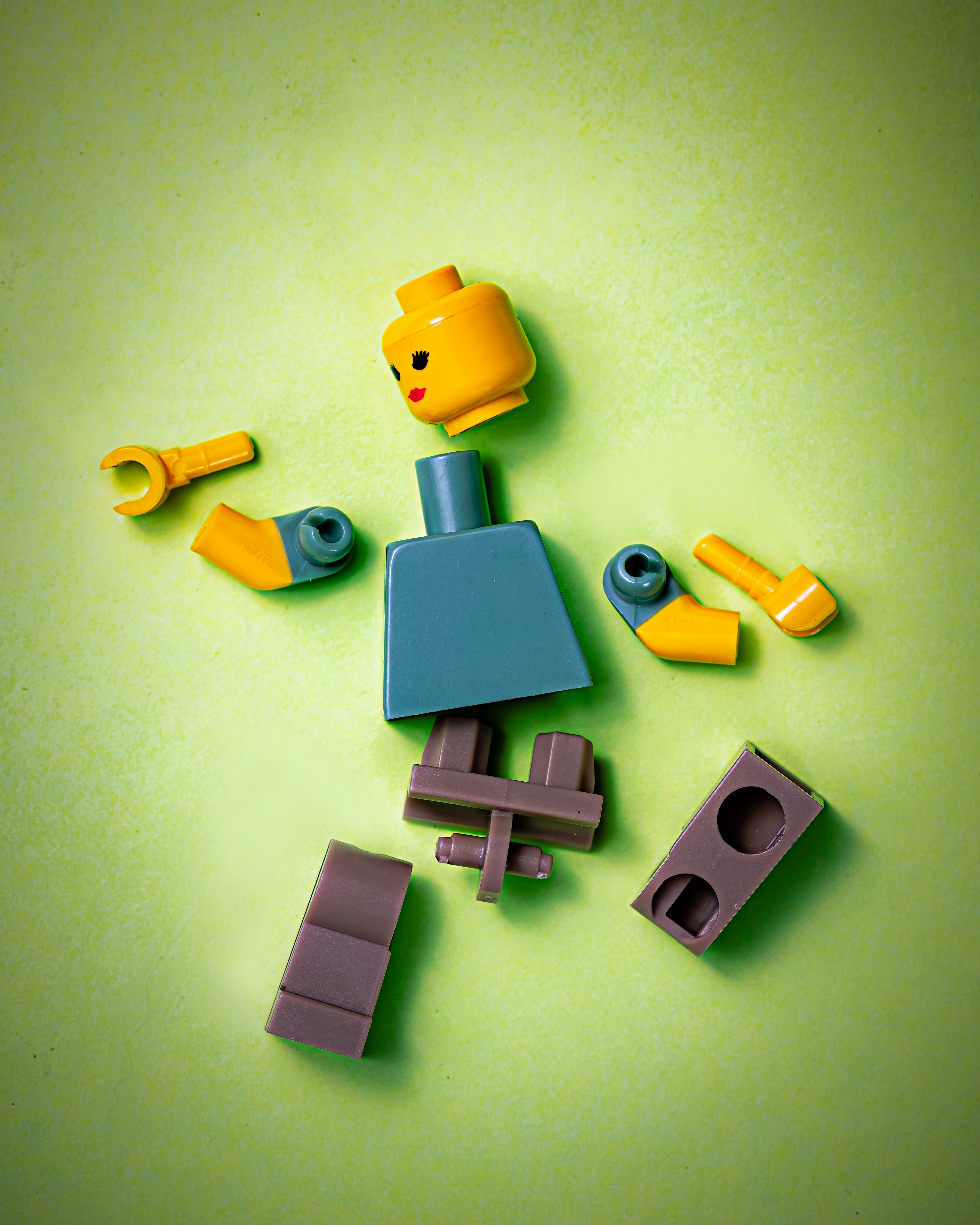


7 Things That Happen When You Don't Heal From Your Breakup
What actually happens when you skip the real work after a breakup: old attachment wounds, low self-worth, patterns that follow you into the next relationship, and why EFT is the tool that actually moves it.
read more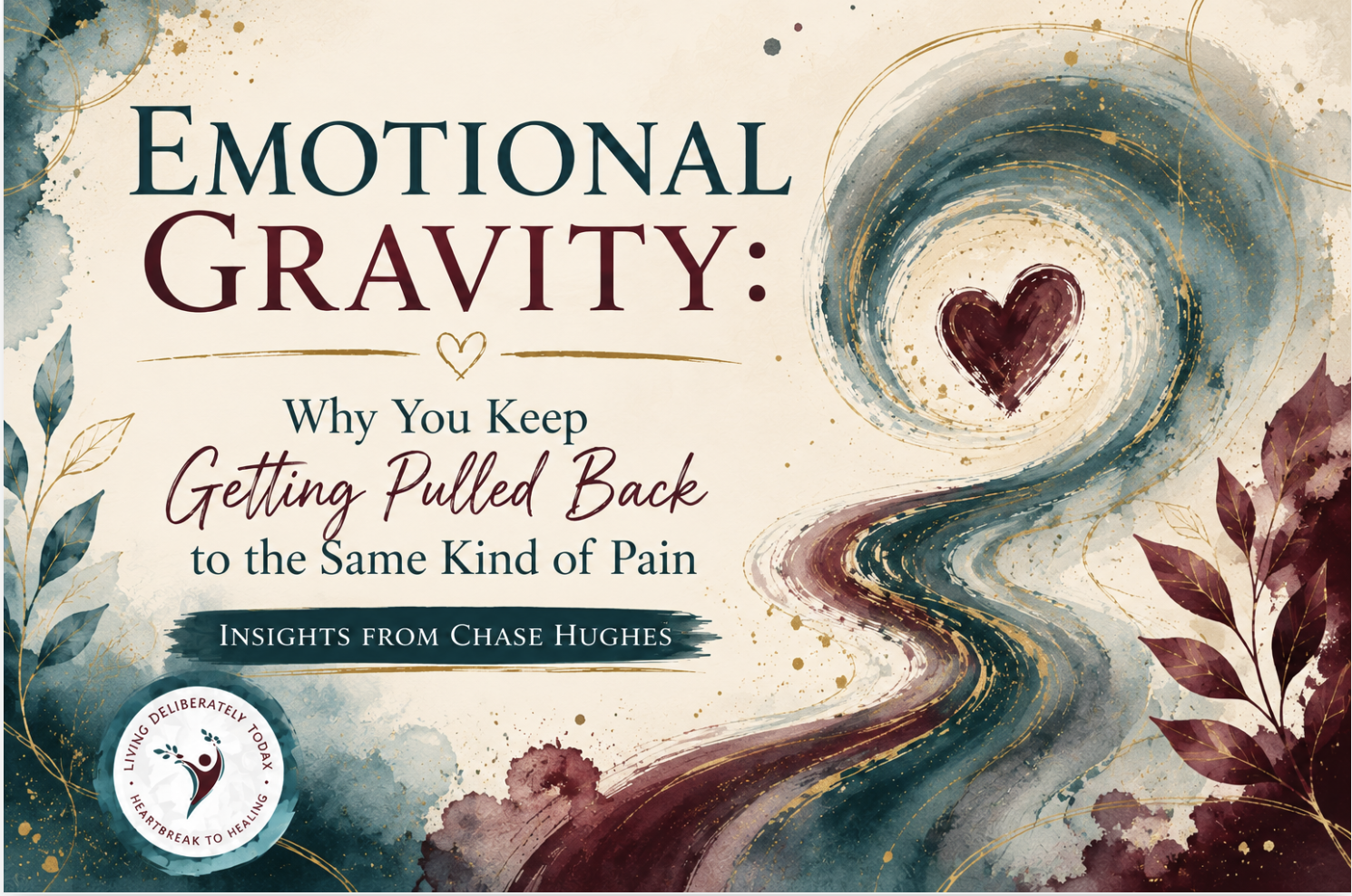
Emotional Gravity: Why You Keep Getting Pulled Back to the Same Kind of Pain
Behavioral expert Chase Hughes calls it emotional gravity: the reason you keep getting pulled toward the same kind of pain. It's not your intuition. It's your nervous system mistaking familiar for safe. Read the full breakdown.
read more
5 Red Flags Your Ex Showed You That Should Make You Glad You Walked Away
Missing your ex and wondering if you made the right call? These 5 red flags are a reminder of what was actually there, and why walking away was the right thing, even when it doesn't feel like it yet.
read more