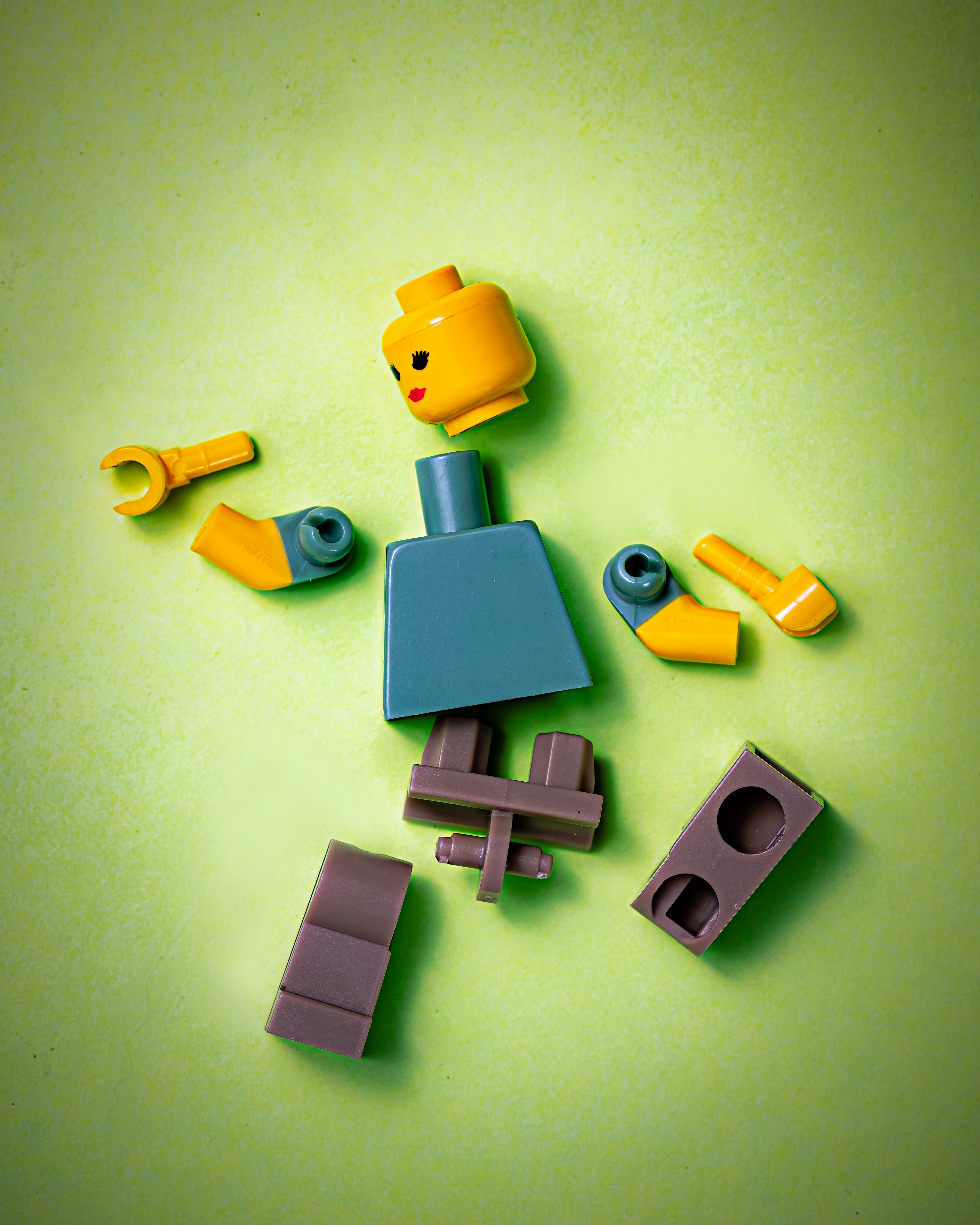
Why You Should Hire a Heartbreak & Empowerment Coach for Your Breakup Recovery
A breakup can drop you into a place you didn’t see coming. One day you’re functioning, doing what you need to do, and the next you realize everything feels slightly off. Not just emotionally, but in how you move through your days. Your routines feel different. Your sense of direction feels shaky. It’s subtle sometimes, but deeply unsettling.
Heartbreak rarely ends cleanly. The pain doesn’t move in a straight line. Some moments hit out of nowhere. Others linger quietly in the background. The future you were orienting toward disappears, and the person who felt like home is suddenly gone. What’s left can feel confusing, empty, and hard to explain to people who haven’t lived it.
I understand this personally. After one breakup, I moved to China. Sounds brave right? Trust me, that was the last thing on my mind. Not for adventure. Not for growth. I moved because I didn’t know how to sit with what I was feeling. I just couldn’t be there because everything about that place was a reminder. Distance felt easier than stillness. Movement felt safer than grief. It worked for a while until it didn’t. Because heartbreak has a way of following you, no matter how far you go.
If you’ve been trying to push through, stay busy, analyze what happened, or just get through the day without falling apart, that isn’t weakness. It’s survival. And at some point, survival stops being enough. You can look fine on the outside and still feel like you’re carrying something unresolved.
This is often where working with a heartbreak recovery coach like. me is important. Not because you’re broken. Not because you should be “over it.” But because breakup recovery can be overwhelming to navigate alone without structure, tools, and support. Healing doesn’t mean erasing what happened. It means learning how to process it without letting it consume you.
In this article, I’ll explain how heartbreak recovery coaching with me can support real healing after a breakup. I’ll also talk about why friends, while incredibly important, can’t always hold this role on their own, and how tools like EFT tapping and empowerment coaching can help you rebuild with more stability, clarity, and self-trust.

The Stages of Breakup Recovery (And Why You Can't Skip Them)
Breakup recovery doesn’t follow a straight line. It rarely moves forward in a predictable way, and it doesn’t resolve on a timeline that makes sense from the outside. For many people, healing unfolds in stages that overlap, repeat, and resurface rather than progress neatly from one to the next.
Clinical psychologist Dr. Suzanne Lachmann outlined nine common stages of grieving a breakup. These stages aren’t rules, and they aren’t checkpoints to pass. They describe patterns that often appear as people try to make sense of loss, attachment, and identity after a relationship ends.
The first stage is shock. This can show up as numbness, disbelief, or a sense of being stunned by what has happened. Even if the breakup was anticipated, the reality of it can still feel unreal once it actually occurs. From there, some people move into denial. This doesn’t necessarily mean refusing reality outright. It can look more like hoping for reconciliation, minimizing what happened, or holding onto the idea that things might still change.
Another stage Dr. Lachmann identifies is being desperate for answers. This is often when the mind searches relentlessly for explanations. What went wrong. What mattered. What was missed. The goal here isn’t self-torture; it’s meaning-making. The system is trying to reduce pain by understanding it.
That search can turn outward through external bargaining, where attention stays focused on the ex-partner or circumstances that might undo the ending. It can also turn inward through internal bargaining, where self-blame and “what if” thinking take over. Both are attempts to regain a sense of control after loss. Many people are caught off guard by the relapse stage. This is when a wave of grief returns after a period of relative stability. It can feel confusing or discouraging, especially if you thought you were “past this.” In reality, relapse is a common part of non-linear grief, not a failure.
Over time, some reach initial acceptance. This doesn’t mean the pain is gone. It means the reality of the breakup is starting to settle in, even if it still hurts. There may also be a stage of anger, which can surface at different points. This anger isn’t always loud or explosive. Sometimes it’s quiet resentment, frustration, or bitterness directed at the situation, the ex-partner, or even oneself. The final stage in this framework is hope. Not forced optimism, but the gradual return of possibility. A sense that life may eventually hold meaning again, even if it looks different than what was imagined before.
What matters most is not moving through these stages “correctly,” but understanding that they exist. Trying to bypass them or handle them alone can make the process more confusing and isolating than it needs to be. This is where heartbreak and empowerment coaching can support recovery. Not by skipping stages or rushing outcomes, but by helping you recognize where you are, work with what’s present, and move through the process with intention rather than self-judgment.
Why Heartbreak Recovery Coaching Offers Something Friends Can’t
Your friends matter. A lot. They listen, show up, and care about you. After a breakup, that kind of connection can be grounding, and for many people it’s an essential part of getting through the early days. At the same time, friends and heartbreak recovery coaching play different roles.
Your friends respond from love and personal experience. They want you to feel better, and they support you in the ways they know how. Heartbreak recovery coaching is different. It’s structured support that helps you work intentionally with the emotional pain, patterns, and decisions that tend to surface after a breakup. That outside perspective can be hard for friends to offer, simply because they’re close to you and emotionally involved.
There are also practical limits. Most friends aren’t trained in tools like EFT tapping or emotional regulation techniques that help reduce the intensity of heartbreak and work directly with the beliefs and reactions that can keep showing up. Coaching gives you methods to work with what’s happening, not just reassurance while you wait for it to pass.
This isn’t about choosing one over the other. Healing after heartbreak often works best when you have both. Friends offer care and connection. Heartbreak recovery coaching offers guidance, tools, and a way to move forward deliberately instead of reacting to whatever comes up. The goal isn’t to replace your support system. It’s to add the kind of support that’s actually designed for recovery.
What Heartbreak Recovery Coaching Actually Involves
When we work together, we’re not just talking through what happened. Talking can help, but it usually isn’t enough on its own. What matters is having ways to work with what comes up as it comes up, without pushing grief away or getting stuck inside it.
In my work, heartbreak recovery coaching combines EFT tapping and empowerment coaching. We use EFT to help you process the emotional pain and lower the intensity when things feel like too much. We use empowerment coaching to help you rebuild direction, confidence, and trust in yourself again, step by step.
They do different things, and that’s the point. EFT helps you regulate and release. Empowerment coaching helps you decide how you want to move forward. Together, they support healing and help you start living again, without pretending the breakup didn’t matter.

Why EFT Tapping Matters in Heartbreak Recovery
Let me tell you why I use EFT tapping in heartbreak recovery coaching. Some parts of a breakup don’t fade just because time passes. You might notice that certain moments still land in your body before you even have a chance to think about them. A sentence they said. The way things ended. Something small that catches you off guard and suddenly you’re right back in it.
EFT tapping helps take the intensity out of those moments. The memory doesn’t disappear, but it stops running the show. Over time, you can think about what happened or talk about it without your chest tightening or your nervous system going into overdrive.
I also use EFT tapping to work with the beliefs that tend to surface after a breakup. Self-doubt. Second-guessing. That quiet sense of being behind or questioning your own judgment. These aren’t things you can reason your way out of. They’re emotional patterns. Tapping helps loosen their grip so they don’t keep shaping how you see yourself or what you believe is possible next.
What makes EFT especially useful in heartbreak recovery is that it’s practical. Once you learn it, you don’t have to wait for a session to get support. When something hits, you have a way to work with it instead of spiraling or shutting down. It’s not a magic fix. It’s a way to calm the intensity so healing actually has room to happen.
Why Doing This With a Coach Makes a Difference
You can find EFT tapping videos online, and some of them are fine. What they can’t do is focus on your experience. When we work together, we’re tapping on the specific moments, beliefs, and patterns that are relevant to you. EFT isn’t just about tapping points. It’s about knowing what to work on, when, and why. That’s where guidance matters.
I’m also there when emotions come up during the process. Not to rush you or push you through it, but to help you stay with it long enough for something to shift. I used EFT tapping in my own heartbreak recovery. I know how powerful it can be. And I also know it works differently when you don’t have to do it alone.
Why Empowerment Coaching Helps You Rebuild After Heartbreak
When you’re rebuilding after heartbreak, you’re not trying to return to who you were before. That version of “normal” often involved compromises, silence, or choices that no longer feel acceptable once the relationship has ended.
When you’re in this stage, you start examining what happened more closely. You look at the relationship differently. You notice where you ignored your instincts, stayed longer than you wanted to, or adjusted yourself to keep things working. Empowerment coaching gives you a way to look at those patterns without turning them into self-blame or rushing yourself toward a neat conclusion.
When people-pleasing has been part of the dynamic, rebuilding means learning how to take yourself seriously again. You begin noticing how often you put someone else first, softened your needs, or stayed quiet to avoid conflict. Empowerment coaching helps you rebuild self-respect and practice advocating for yourself in ways that feel steady and grounded, not defensive or reactive.
When trust in yourself feels shaky, empowerment coaching focuses on rebuilding it deliberately. Not by pretending the past didn’t happen, but by helping you understand your choices, integrate what you’ve learned, and move forward with clearer judgment and confidence.
When self-acceptance feels out of reach, this work stays realistic. It’s not about loving every part of yourself or reframing everything as a lesson. It’s about learning to live with your complexity without using mistakes or missteps as evidence that you’re broken.
As you continue rebuilding, resilience becomes essential. Future relationships will still challenge you. Life will still throw uncertainty your way. Empowerment coaching helps you develop the ability to stay grounded through those moments, recover without collapsing, and keep moving forward without abandoning yourself.
And when you start looking ahead, empowerment coaching helps you define what you want next. Not what your ex wanted. Not what anyone else expects. What actually feels aligned for your life now.
Healing after heartbreak isn’t about proving that you’re fine. When you rebuild intentionally, you create a life that isn’t dependent on external validation to feel solid. You learn to trust yourself again — because you’ve practiced doing so.Why Healing Is a Process (And Why You Shouldn't Do It Alone)
You can't rush healing. But you also can't wait around hoping it happens on its own.
Healing is active, not passive. It requires intentional work—releasing old patterns with EFT tapping, rebuilding your identity through empowerment coaching, setting new boundaries, learning how to trust yourself again. You can't just "wait it out" and expect to wake up one day feeling whole. A coach keeps you accountable.
When you're stuck, a coach helps you identify WHY and gives you tools to move through it. When you're spiraling, a coach reminds you of the progress you've made. When you're doubting yourself, a coach reflects back your strength. A coach sees what you can't see.
When you're in the middle of heartbreak, you can't see how far you've come. You only see how far you still have to go. A coach can say, "Three weeks ago, you couldn't get through a day without crying. Now you're only crying a few times a week. That's progress."
A coach teaches you maintenance tools. EFT tapping isn't just for the big emotions. It's for managing daily triggers so you don't spiral every time something reminds you of them. I've been where you are. I know what it's like to feel stuck. And I also know what it takes to get unstuck—because I've done it, and I've helped other women do it too.
Why Group Programs and 1:1 Coaching Work Best Together
Over the years, I’ve seen that heartbreak recovery is rarely an either-or process. Community and individualized support serve different purposes, and when they’re combined thoughtfully, the work tends to go deeper and move more steadily.
Group programs offer something many people need after a breakup: shared experience. Being in a space with others who are navigating similar stages of healing can reduce isolation and normalize what you’re going through. You’re not just learning EFT tapping in theory. You’re seeing it used, hearing how others apply it, and recognizing yourself in their stories. That collective momentum matters.
At the same time, heartbreak is personal. The memories that hurt, the beliefs that surface, and the patterns that keep repeating aren’t identical from one person to the next. That’s where 1:1 coaching becomes essential. Individual sessions allow us to work directly with what’s specific to you: your triggers, your emotional responses, and the parts of the breakup that still feel unresolved.
Group work creates connection and perspective. 1:1 coaching provides focus and precision. Together, they support both emotional processing and intentional rebuilding without asking you to choose between being supported and being seen.
This combination also reflects how healing actually works. Some insights come from witnessing others. Some shifts happen when someone is looking closely at your situation and helping you understand what’s happening beneath the surface. Neither replaces the other.
That’s why my work includes both options. Monthly group workshops offer accessible community-based support and EFT tapping practice. Longer-form group experiences create space for reflection and intentional forward planning. And 1:1 coaching allows for deeper, tailored work when you’re ready for it.
Not everyone needs coaching, and it’s not the right fit for every stage. But if you’re looking for more than venting, more than waiting for time to pass, and more than surface-level coping, heartbreak recovery coaching can offer structured support without rushing your process.
You don’t have to heal in isolation. And you don’t have to carry this alone.
If you’re ready to work with your heartbreak rather than around it, you can explore my monthly Healing Your Heartbreak workshop or 1:1 coaching options at www.dreahunt.com.
Q&A
What is heartbreak recovery coaching?
Heartbreak recovery coaching is a form of support that focuses on helping you process the emotional impact of a breakup and rebuild your life intentionally afterward. It doesn’t rush grief or minimize what happened. Instead, it offers structure, tools, and guidance while you move through heartbreak and start regaining stability, clarity, and self-trust.
Do I need a breakup coach, or is time enough?
Time can help, but it doesn’t always resolve what a breakup leaves behind. Many people find that even months later, certain emotions, patterns, or beliefs are still active. A breakup or heartbreak coach can help you work with those pieces directly instead of waiting for them to fade on their own.
How is a heartbreak recovery coach different from a therapist?
Therapists focus on mental health treatment, trauma, and diagnoses. Heartbreak recovery coaching focuses on emotional processing, decision-making, and rebuilding after a breakup. Both can be valuable. Coaching is often a good fit when you’re functional but want structured support to move forward rather than staying stuck in analysis or coping mode.
Can EFT tapping really help with heartbreak?
EFT tapping can help reduce the emotional intensity connected to breakup memories, triggers, and belief patterns. It doesn’t erase what happened, but it can make the emotions more manageable so you’re not reliving the breakup every time something reminds you of it.
How long does heartbreak recovery take?
There’s no fixed timeline for healing after a breakup. Recovery is often non-linear, with periods of clarity followed by moments that feel heavier again. Heartbreak recovery coaching doesn’t promise speed. It focuses on helping you move through the process with more support and less self-judgment.
Is it normal to still feel angry or stuck after a breakup?
Yes. Anger, confusion, sadness, and even moments of hope can all be part of breakup grief. Feeling stuck doesn’t mean you’re doing healing wrong. It often means something still needs attention, processing, or support.
Can a breakup coach help even if I was the one who ended the relationship?
Yes. Ending a relationship doesn’t prevent heartbreak or grief. Many people who initiate breakups still experience guilt, doubt, loss, or emotional fallout. Heartbreak recovery coaching can support processing those emotions and moving forward with clarity.
What happens in a heartbreak recovery coaching session?
Sessions often focus on what’s most present for you. This might include EFT tapping to reduce emotional intensity, exploring patterns or beliefs that surfaced during the relationship, and working on rebuilding confidence and direction after the breakup. The work is tailored, not scripted.
Is heartbreak recovery coaching worth it?
That depends on what you’re looking for. If you want more than venting, more than advice from friends, and more than waiting for time to pass, coaching can offer structured support and practical tools. It’s not about fixing you. It’s about supporting you while you heal and rebuild.
About Me:
Andrea Hunt is a Heartbreak to Healing EFT Tapping Coach based in Munich, Germany, and the founder of Living Deliberately Today. She helps women heal after a breakup, rebuild their confidence, and create a fulfilling life they love, with or without a partner. Her work combines EFT tapping, deliberate living, and solo travel as part of the healing journey.
Resources
💛 Free EFT Tapping for Heartbreak Guide: https://snipr.is/A89rTcU
💛Get instant access to my free 3-day Heartbreak to Healing webinar: https://shorturl.at/GtsiN
📖 Get my book on Amazon Kindle, From Heartache to Healing: How EFT Tapping Can Mend a Broken Heart: https://amzn.to/4fzLPP8
✈️ Free Guide: 10 Ways You Know You’re Ready to Travel After a Breakup: https://snipr.is/h8KepU3
🎧 Interested in EFT tapping? Try the Tapping Solution App premium free for 14 days: https://shorturl.at/ClkJv
📞 Book a Discovery Call: https://events.dreahunt.com/book-a-call
More like this...
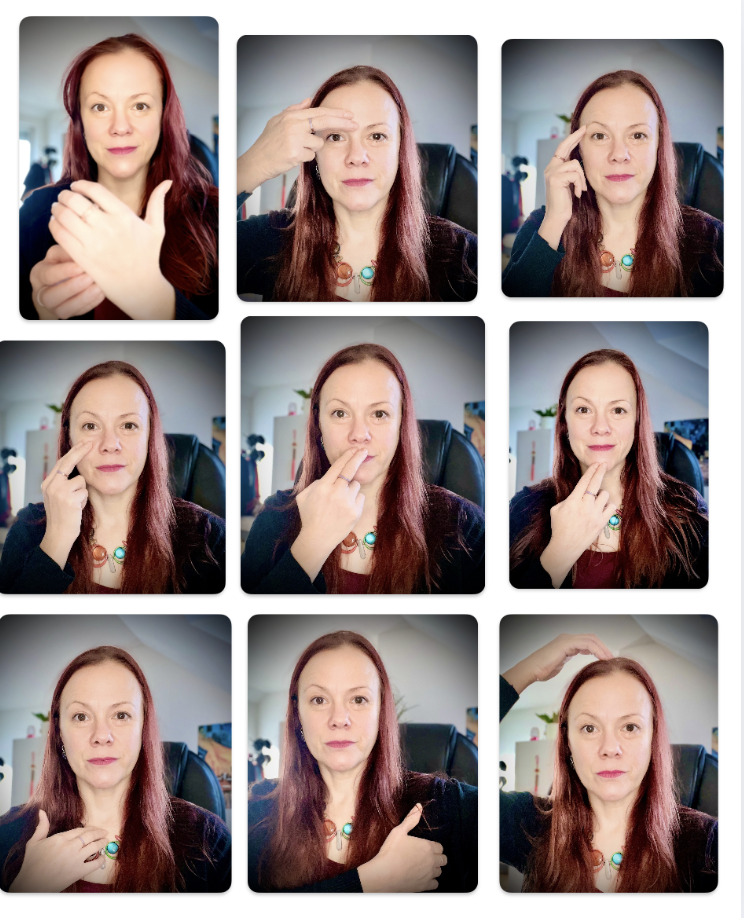


The 9 EFT Tapping Points: What Each One Does and Why They Help You Heal Heartbreak
Each of the 9 EFT tapping points is linked to specific emotions and physiological responses. Learn what each one does, why the collarbone point is so powerful for breakup grief, and what the clinical research from Dr. Peta Stapleton, Dr. Dawson Church, and Dr. Damon Silas actually shows about why tapping works.
read more
Galloping Into Freedom: Your Guide to the Year of the Fire Horse 2026
Year of the Fire Horse 2026 guide: Chinese zodiac predictions, post-breakup healing, EFT tapping rituals & how to step into your power this Chinese New Year.
read more
The 9 Stages of Breakup Grief and How to Get Your Confidence Back
Breakup grief isn't linear. Learn the 9 real stages of heartbreak recovery and how EFT tapping helps you process emotions, rebuild confidence, and heal faster.
read more