
5 Red Flags Your Ex Showed You That Should Make You Glad You Walked Away
Here's the thing about missing someone who wasn't good for you. The grief is completely real. The love you felt was completely real. And none of that changes the fact that what they were showing you, consistently, over the course of the relationship, was exactly who they were.
Maya Angelou said: "When someone shows you who they are, believe them the first time."
We spend a lot of time in heartbreak focused on what we've lost. The good moments. The connection. The version of them we loved on their best days. And that grief deserves space. But sometimes, especially when you're deep in the loop of missing them and wondering whether you made the right call, it helps to look clearly at what was actually there. Not the highlight reel. The whole picture.
So here are five red flags that, if your ex showed them, should remind you why walking away was the right thing. Even when it doesn't feel like it yet...
1. They Called You Names.
I want to start here because this one sometimes gets minimized, especially when it happened in the middle of a fight and they got super angry but apologized afterward and you wanted to believe it was a one-off. But name-calling in a relationship- being called the b-word, the c-word, anything designed to degrade you in a moment of anger- is never a one-off in the way it gets framed. They will do it again. And again. It's a window. It's a glimpse into how this person sees you when they're not managing themselves carefully, when the warmth drops away and what's underneath comes out. That needs to be a red line. period.
Words like that aren't slips. They require a certain level of contempt to even be present in someone's vocabulary when they're talking to a person they love. Contempt, as relationship researcher Dr. John Gottman has documented extensively, is the single greatest predictor of relationship breakdown.
"When you communicate with contempt, the results can be cruel. Treating others with disrespect and mocking them with sarcasm and condescension are forms of contempt. So are hostile humor, name-calling, mimicking, and body language such as eye-rolling and sneering. In whatever form, contempt is poisonous to a relationship because it conveys disgust and superiority, especially moral, ethical, or characterological. Contempt, simply put, says, “I’m better than you. And you are lesser than me.” -- Gottman.
It's the signal that someone has moved from frustration with a behavior to disgust with a person. And when that contempt shows up as name-calling, as using words specifically designed to humiliate and diminish you, that's not something that couples counseling fixes easily. It points to something much deeper about how this person relates to the people they're supposed to love.
If they called you names and you stayed, it's probably because you found a way to make it make sense. They were stressed, they didn't mean it, they grew up in a house where people talked like that, they always apologized. And all of that might be true. But none of it changes what it felt like to be on the receiving end of it. None of it changes what it did to your sense of yourself over time, the way you started walking on eggshells, the way you learned to monitor their mood before you said anything, the way you began to question whether the things they said about you in those moments might actually be true. That erosion is real. And you deserve to be with someone who, even at their worst, doesn't reach for words designed to tear you down.

2. They Screamed at You in Public.
There's a specific kind of humiliation that comes from being screamed at in front of other people. They're either doing it because they simply can't handle their own emotions (that's what toddlers do not grown-ups) OR they're doing it to humiliate you. It's different from a private argument that gets too loud. It's targeted. Someone who screams at their partner in public is doing something very deliberate, whether they're conscious of it or not. They're establishing, in front of witnesses, that they have the power to treat you however they want and you'll stay. They're making you small in a space where you can't easily respond, where the social pressure to not make a scene keeps you quiet and compliant. And they're doing it in a way that you'll remember, that strangers witnessed, that you had to carry home with you afterward.
"Many therapists view public screaming as an abusive tactic designed to shame you, assert dominance, or force compliance. Because you are in public, you are less likely to defend yourself to avoid causing a scene, which the yeller exploits to "win" the argument. [1, 2, 3]" - Herzberg.
The aftermath of that kind of incident is always revealing too. Because what happens next tells you everything. Did they apologize immediately and genuinely, with real accountability for what they did? Or did they find a way to make it your fault? In a 'LOOK WHAT YOU MADE ME DO/SAY'?
Did the apology come with an explanation of what you'd done to provoke it? Did they minimize it later, act like you were overreacting, make you feel like the problem was your sensitivity rather than their behavior? Because the screamingitself is one thing. But the way someone handles it afterward, whether they can look at what they did clearly and take responsibility for it, that's where you really see who you're dealing with.
Public humiliation is a form of control. And if this happened more than once, if there was a pattern of them losing control of themselves in ways that always seemed to land on you, that'snot a temper problem. That's a you problem, in the sense that you became the acceptable target for something they'd never direct at a colleague or a stranger. You deserved better than being that target. You still do.

3. They Disrespected Your Relationship Boundaries Around Other People.
Every couple is different. Relationships come in all kinds of structures and agreements, and what works for one couple doesn't work for another. If you and your partner had an explicit agreement about openness or non-monogamy, that's your business and nobody else's. But whatever your agreement was, the key word is agreement. Both people consent. Both people know what they're signing up for. Both people's comfort matters.
What's a red flag is when there's no agreement, or when the agreement gets violated, and the violation gets minimized. When they flirt openly with other people in front of you and then tell you you're being insecure when it bothers you. When they check out other people so obviously that you feel invisible standing right next to them.When they cross a line and somehow the conversation ends with you being the problem for having a reaction to it. When cheating happens and the focus shifts, quickly and skillfully, to your response rather than their behavior.
This particular red flag is insidious because it so often gets tangled up with self-doubt. She starts wondering whether her boundaries are reasonable. Whether she's being too demanding. Whether a more confident woman would be unbothered by this. And in thatself-doubt, she loses the thread back to the simple truth: her feelings about how she's being treated in her own relationship are valid, full stop. The discomfort she felt wasn't a flaw in her. It was information. It was her gut telling her that something about the way she was being treated wasn't okay. And her gut was right.

4. They Couldn't Hear Your Needs Without Making It About Them.
This one is subtle enough that a lot of women don't even identify it as a red flag until the relationship is over and they have enough distance to see it clearly. It goes like this: you try to express something that's bothering you, something you need, something that would help you feel more connected or more secure or simply better. And instead of that conversation being about your experience, it becomes about their feelings about your experience. They get defensive. They list all the ways they've already tried. They bring up something you did three months ago. They go quiet and hurt in a way that requires you to spend the rest of the evening managing their feelings about the fact that you had feelings.
What you needed gets completely lost. And you learn, over time, that bringing up your needs costs too much. The conversation is never worth the fallout. So you stop. You adapt. You adjust your expectations downward quietly and tell yourself you're being easygoing, when actually what you're doing is disappearing a little more each time.
There's actually a name for what was happening. Psychologists call it defensive centering [Therapy in a Nutshell; UPI Health]. Your partner heard your need and their brain immediately translated it into a personal attack, so they flipped the script. Suddenly they were the one being wronged, and your original feeling got completely buried under their reaction [Regain; Best Choice Counselling]. Some people do this because they genuinely don't have the emotional capacity to sit with someone else's discomfort without it triggering their own, so they withdraw, go quiet, or get sharp instead of engaging [Simply Psychology; Marriage Recovery Center]. Others are so deep in their own insecurity that "I need more from you" lands as "you're not enough," and the rest of the conversation becomes about reassuring them. While what you actually came to say never gets heard at all [Best Choice Counselling; Kyle Benson]. And on the more extreme end, someone with narcissistic traits will do this every single time, because your needs register as an inconvenience to their comfort, not something worth genuinely engaging with [Regain; Marriage Recovery Center].
A partner who can't receive feedback about your needs without becoming defensive isn't just difficult to communicate with. They're someone who has made the relationship about their comfort at the expense of yours. A healthy relationship requires both people to be able to say "this isn't working for me" and have the other person genuinely try to hear it, not perfectly, not without some initial reaction, but with a real attempt to understand and respond. When that's consistently missing, when every attempt to be honest about your needs ends with you comforting them instead of being heard, that's not a communication style difference. That's a fundamental imbalance in who matters in the relationship.

5. They Told You Exactly Who They Were, and You Hoped They Were Wrong.
I said it once and I will say it again!! Maya Angelou said it, and it's been repeated so many times it risks losing its weight, but it's worth saying again here because it's true in a way that cuts right to the heart of this: when someone shows you who they are, believe them the first time. And people show you who they are in two very specific ways that I want to talk about, because both of them are things women often minimize in the moment and only recognize clearly in hindsight.
meant to be wThe first is "that's just how I am." Delivered as an explanation. As a full stop. As something that's meant to end the conversation rather than continue it. When someone says that in response to feedback about something that's hurting you, what they're really saying is: I'm not interested in changing this, and I'd like you to accept it. That's their right. Everyone gets to decide what they're willing to work on. But you also get to decide whether what they're offering is something you can actually live with. "That's just how I am" is honest. It's also a clear statement of what you're signing up for if you stay.
The second is "I'm not ready for a relationship." And this one in particular deserves its own paragraph, because the number of women who heard those words early on and stayed anyway, hoping that with enough time and love and patience things would shift, is heartbreaking. When someone tells you they're not ready for a relationship, believe them. Not because they're lying about their feelings for you; they might genuinely feel everything they say they feel. But feelings and readiness are different things. Someone can care about you deeply and still be in no position to show up for you in the ways a relationship actually requires. And when they've told you that upfront and you've stayed anyway and it's ended painfully, the grief is real but so is this: they told you. They gave you the information. What they showed you and what they said were the same thing. And believing people when they tell you who they are, even when it's not what you want to hear, is one of the most important things you can learn to do for yourself.
The red flag here isn't that they weren't ready. People aren't always ready, and that's human. The red flag is staying once you knew, and spending months or years hoping that your love would be the thing that changed it. Your love was never supposed to be the thing that made someone ready for you. You were supposed to be with someone who already was.
What Comes Next
If you recognized your ex in any of these, I want you to sit with that for a moment. Not to feel angry, although anger is completely valid and often a very healthy part of healing. But to let yourself see clearly what was actually there. Because heartbreak has a way of softening the edges of things, of making us remember the warmth and forget the cost, and sometimes the most important thing you can do for yourself is look at the whole picture without flinching.
You walked away from something that was costing you. Maybe it cost you your sense of self. Maybe it cost you your self-trust. Maybe it cost you years of tolerating things you should never have had to tolerate, because you loved someone and you kept hoping the best version of them would become the consistent version of them. That hope isn't something to be ashamed of. It came from love. But the fact that you're on the other side of it now matters. Even when the grief makes it hard to feel like it does.
Here's what I know from working with women through heartbreak: seeing the red flags clearly is the beginning, not the end. Because even when you can see exactly what was wrong, even when you know with absolute certainty that walking away was right, the grief doesn't just disappear. The emotional charge is still there. The attachment is still there. The beliefs about your own worth that got activated inside that relationship, the ones that kept you staying longer than you should have, those are still there too. And they'll follow you into the next relationship unless they get addressed at the level where they actually live.
That's exactly what The Release, Rebuild & Rise Journey is designed for. It's a nine-module EFT-based healing program that takes you through three phases: releasing the emotional pain of the heartbreak, rebuilding your relationship with yourself and your self-trust, and rising into the next chapter of your life with clarity about who you are and what you actually want. One module unlocks per week, nine weeks of content, twelve weeks to let it all land. It's not a quick fix. It'sthe deep work. The kind that changes not just how you feel about this breakup, but the patterns you bring into every relationship after it.
If you're ready to stop just surviving the heartbreak and start actually moving through it, this is where that work happens.
Learn more and join here: https://snipr.is/YE1qhMn
ABOUT ME: Andrea Hunt is a Heartbreak to Healing EFT Empowerment Coach based in Munich, Germany. She helps women heal after heartbreak and belief wounding, rebuild confidence, and restore self-trust. Her work focuses on emotional resilience, solo travel after a breakup, and guiding women from heartbreak to expansion.
RESOURCES: 💛 Free EFT Tapping Heartbreak Guide: https://snipr.is/A89rTcU
Get my book on Amazon Kindle: From Heartache to Healing: How EFT Tapping Can Mend a Broken Heart: https://amzn.to/4fzLPP8
Get my Free Guide 10 Ways you know you’re ready to travel after a breakup: https://snipr.is/h8KepU3
📞 Book a Discovery Call (Travel Coaching After a Breakup or EFT for Confidence): https://events.dreahunt.com/book-a-call
More like this...
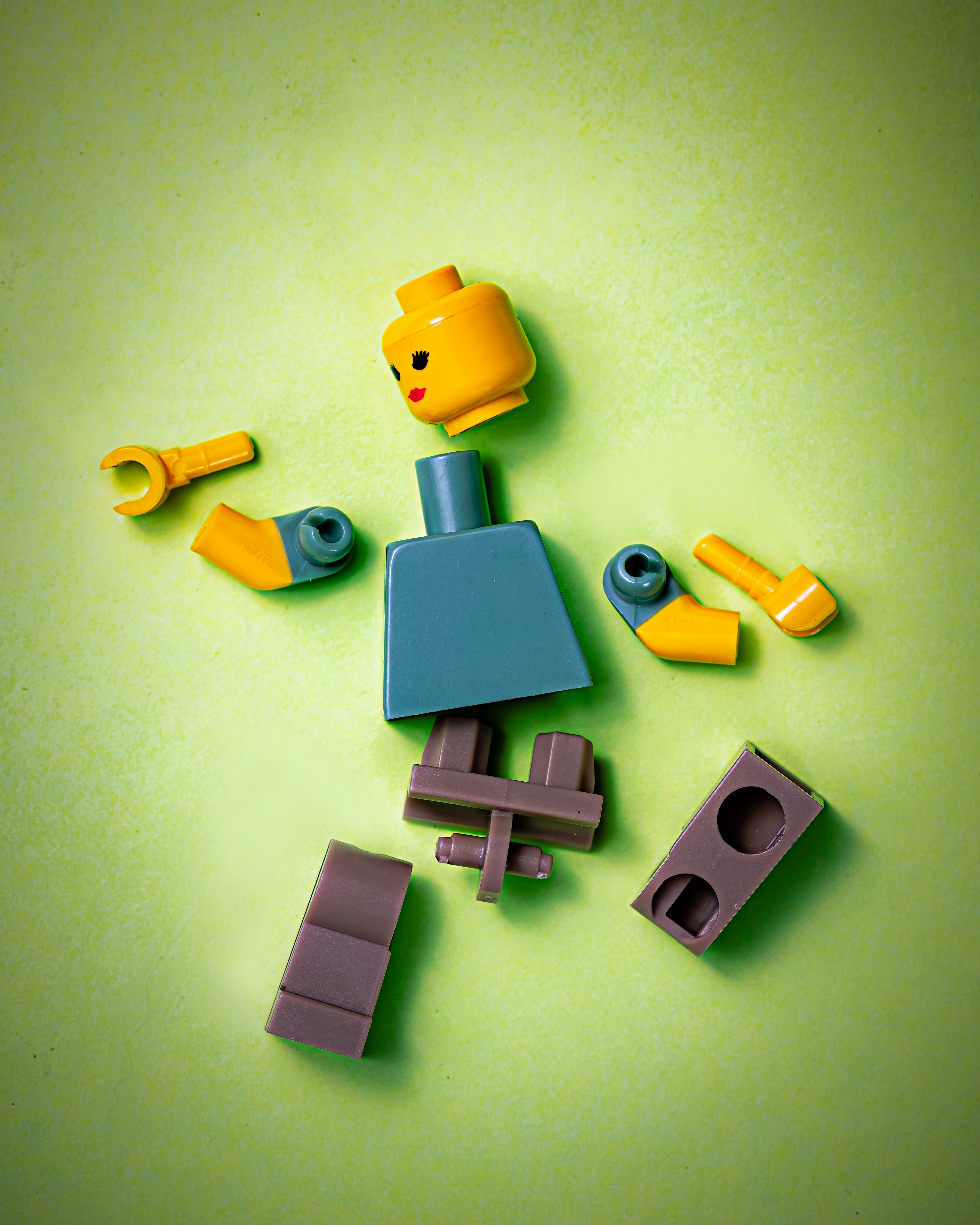


7 Things That Happen When You Don't Heal From Your Breakup
What actually happens when you skip the real work after a breakup: old attachment wounds, low self-worth, patterns that follow you into the next relationship, and why EFT is the tool that actually moves it.
read more
Emotional Gravity: Why You Keep Getting Pulled Back to the Same Kind of Pain
Behavioral expert Chase Hughes calls it emotional gravity: the reason you keep getting pulled toward the same kind of pain. It's not your intuition. It's your nervous system mistaking familiar for safe. Read the full breakdown.
read more
Why Can't You Get Over Them? 5 Reasons You're Still Not Over Your Ex
Do you still feel like you're not over your ex even though it's much later? Here are 5 reasons why you might be stuck..
read more