
Learning to Be Alone After Heartbreak (And Why It's the Most Powerful Thing You Can Do)
There's a moment that happens to almost every woman after a breakup. It doesn't announce itself. It just arrives, usually on a quiet evening when the plans have run out and the phone has nothing left to offer and the apartment is very still. And in that stillness, you realize you have to just be there. With yourself. With everything you've been carrying since the day it ended. And it's really, really heavy and painful. And it feels horrible.
That moment sends most people running.
Not literally. But within minutes, sometimes seconds, there's a reach for the phone, a plan made, a distraction pulled in. Anything to interrupt whatever was starting to surface in that quiet. The impulse is so fast it barely feels like a choice.
I've been there and it's a sinking, panic... a gut-wrenching abyss. And in my work as a Heartbreak to Healing EFT Tapping Coach, I hear about that moment constantly. From women who are three days out from a breakup and barely sleeping, and from women who are fourteen months out and still can't figure out why they're not over it yet. For many people, the instinct to escape the quiet is almost universal.
May Sarton distinguishes between the "poverty of self" (loneliness) and the "richness of self" (solitude).
And I agree. The thing is, we don't get this automatically it's a journey of healing and enjoying our own company. Learning to be alone after heartbreak, really learning it, is one of the most transformative things you'll ever do. Because what starts to happen when you stop running is exactly where the real healing lives.

Why Being Alone After Heartbreak Feels So Heavy
So here's the thing: The version of post-breakup solitude that gets romanticized online, the candlelit bath, the morning pages, the quietly becoming your best self, that's rarely what it actually looks like. What most women are living is a silence that feels loud. A Sunday with no plans that used to be full. A body that keeps reaching for someone who isn't there anymore.
Losing a deep attachment doesn't just leave an empty space. It leaves a hole in your routine, your sense of safety, your sense of who you are in relation to the world. And underneath all of that is something that a lot of heartbreak content glosses over completely.
Here's something that changed how I understood this work entirely, and that I share with every woman I work with: the same brain regions that activate during cocaine withdrawal activate during romantic loss. The craving, the obsessive thinking, the inability to stop replaying things, the checking his Instagram for the eighteenth time even though you know it won't help. Your nervous system is doing exactly what it's wired to do when attachment is severed. It's a physiological response. And trying to push through it with willpower, or logic yourself out of it, is a little like trying to talk yourself out of a fever. The body has its own timeline.
Once you understand that the pain lives in the body and not just the mind, everything about how you approach healing shifts. Because you stop trying to think your way out. And you start working with your body instead.

The Urge to Fill the Space
Because the discomfort is so real, the urge to relieve it is equally real. And the quickest relief available after a breakup is usually attention. Someone new. A rebound. A situationship. Being busy every single night. Anything that temporarily interrupts the grief long enough to catch your breath. I get it. Completely. And I'm not here to judge any of it. But there's a cost that doesn't get talked about honestly enough.
Temporary relief and healing feel similar in the short term. They lead to very different places.
Remember: a rebound is a great way to boost your ego while shattering an innocent person's idea of love.
When the distraction runs out, and it always eventually does, the grief is still there. Sometimes heavier than before. Sometimes with an extra layer of shame on top of it, because now you've also done things you're not proud of in the service of not feeling what you were feeling.
More than that: the patterns that were driving the relationship in the first place travel with you. The over-giving, the people-pleasing, the fear of abandonment, the moments you overrode your own instincts to keep the peace. A new person doesn't reset any of that. Different person. Same dynamic. Same pain, slightly rearranged. This is why so many women find themselves in the same relationship over and over again with genuinely different people and genuinely can't understand why.
The answer is almost always the same. They never stopped long enough to let the heartbreak show them what it was trying to show them.

What Sitting With Yourself Actually Looks Like
When I talk about learning to be alone after heartbreak, I want to be specific about what I mean. I don't mean forcing yourself to be fine with isolation. I don't mean white-knuckling your way through lonely evenings and calling that growth. I mean something more precise: learning to stay with your own feelings without immediately needing another person to rescue you from them.
That's harder than it sounds. Especially for women who spent years with their emotional lives organized around someone else. When you've been deeply attached to a person, so much of your daily emotional architecture is built around them. Who you texted when something happened. Who you called when you were anxious. Who made you feel safe when the day was hard. Losing that isn't just losing a person. It's losing an entire structure you didn't necessarily realize you'd built.
"Be alone for a while. Let the dust settle. You will realize that you never really needed them to be whole." — Unknown
The silence that replaces all of that can feel enormous. And in that silence, things start to surface that a lot of women aren't prepared for. Not just grief. But themselves. Their intuition. The things they ignored. The parts of them that got quieter and quieter over the course of the relationship. The version of themselves that stopped asking for what she actually wanted because it was easier to adapt, to accommodate, to keep things smooth.
That confrontation with yourself isn't comfortable. I won't pretend it is. There are evenings in that process that feel genuinely heavy. But there's also something extraordinary that starts to happen when you stay with it instead of running from it. You start to remember who you are outside of being someone's partner. You start making small decisions that are entirely yours. You take yourself somewhere alone and actually enjoy it. You wake up one morning and realize you spent the night thinking about your own life instead of his.
Those moments are quiet. They don't look like a breakthrough from the outside. But they accumulate. And slowly, your own company stops feeling like punishment.

Why Understanding the Breakup Only Gets You So Far
One of the things that frustrates me most in the heartbreak space is the emphasis on understanding. On making sense of what happened. On clarity being the closure. On analyzing the relationship until you can see exactly where it went wrong and why they did that. Why did they behave the way they did?
Understanding has value. I'm not dismissing it. But I've worked with too many women who understand their breakup completely and are still in pain eighteen months later to believe that insight alone is the path through.
You can know everything about your attachment style, your relationship patterns, why this person wasn't right for you, why it ended the way it did. And still feel the pull toward him at eleven at night. Still find yourself checking his social media. Still feel the ache in your chest that doesn't respond to logic, no matter how clearly you can articulate what went wrong.
Sage advice from Mel Robbins:
When the "why" is unclear, over-analyzing just drains your energy. Shifting your focus entirely to yourself is how you start to heal: [1]
Implement "No Contact": Give yourself a hard break from reaching out or checking up on them. This removes the distraction and gives you the mental space to breathe.
Focus on the Basics: Direct your energy into a simple, healthy routine. Prioritize regular sleep, physical activity, and keeping up with your daily responsibilities.
Uncouple Your Brain: A relationship is a psychological bond, and ending it means "detoxing" from that routine. When you catch your mind spiraling, redirect your attention immediately to a hobby, a project, or a friend.
Embrace the Lingering Pain: You don't have to force yourself to "feel nothing" right away. Healing happens when you accept that the pain is there, but choose to live your life anyway. [1, 2, 3, 4, 5]
This is why I use EFT, Emotional Freedom Techniques, also called tapping, with every woman I work with after heartbreak. EFT works directly on the nervous system. It releases the emotional charge that's stored in the body, the grief, the hurt, the anger, the shame, the beliefs about your own worth that the breakup activated. It picks up where understanding reaches its limit.
Learning to be alone after heartbreak becomes so much more possible when the physical charge of the pain starts to move. When the grief isn't sitting in your chest like a stone. When your nervous system isn't in a constant low-level state of alarm. The silence feels entirely different when your body isn't in crisis.

The Shift That Changes Everything After
There's a specific thing that happens in women who do this work properly. I've watched it happen more times than I can count. It's quiet. It doesn't announce itself. But it changes everything about how they show up in relationships afterward. It's the shift from needing love to choosing it.
When loneliness is driving your decisions, and loneliness after a deep attachment can feel genuinely threatening, you make choices from that place. You stay in things longer than you should because the alternative feels worse. You go back to people you've already left because an almost-relationship feels better than the empty space. You tolerate dynamics that cost you yourself because at least you're not alone. You choose presence over alignment. Warmth over what you actually want.
When loneliness isn't driving, you choose from somewhere else entirely. You can wait. You can sit with yourself comfortably enough that you don't have to fill the space with whatever's available. You can walk away from something that isn't right without the fear of what comes after being unbearable. You can let someone earn your trust before you hand them your whole heart.
That's becoming a woman who has enough of herself that she doesn't have to give all of it away to whoever shows up and seems kind enough.
The women I know who've done this work don't stop wanting love. They want it more clearly and more specifically than before. They just stop being willing to accept a version of it that costs them themselves.

You Don't Have to Do This Alone
Learning to be alone after heartbreak doesn't mean healing in isolation. Those aren't the same thing. The goal is to build enough of a relationship with yourself that you're not making decisions from desperation or fear. That work goes faster and further with the right support.
Too many women are trying to carry this quietly by themselves. Not wanting to be the person who's still talking about a breakup. Feeling like they should be over it by now. Holding the grief privately because the people around them have moved on and they don't want to be a burden.
If that's where you are right now, whether you're days out and barely functioning, or months in and still not through it, or even a year out and genuinely confused about why you can't seem to let go fully, I want you to hear this. The pain's still in your body. And that's exactly what we're going to work on.
This June, I'm running a free three-day live experience called Heartbreak to Healing. Three days, live together, working through EFT tapping and structured emotional healing. The actual tools that move the pain that's been sitting in your body. Not a lecture. Not a webinar full of slides. Real work, done together, in real time.
We're going to work on the emotional charge that's keeping you in the loop. The grief that talking hasn't been able to move. The beliefs about your own worth that the breakup activated. The patterns that have been following you from one relationship to the next. And we're going to do it in a space that's honest, grounded, and completely free of pressure.
Dates: June 9, 10, and 11
Time: 1:00 PM Central European Summer Time / 12:00 Noon UK
Register here: https://events.dreahunt.com/heartbreak-workshop-june-2026
If you've been carrying this longer than you thought you would, come. This is exactly what it's for.

More like this...
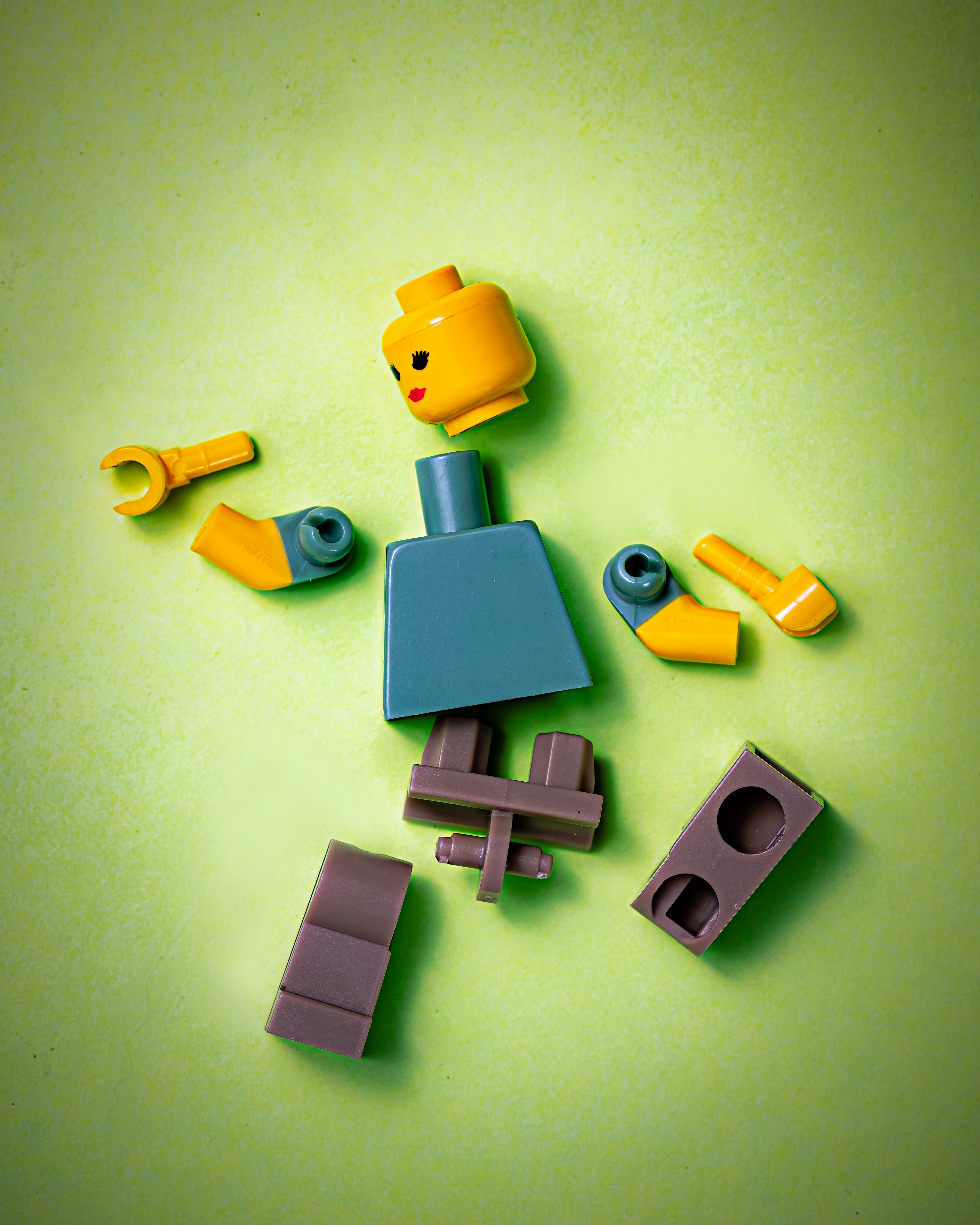


7 Things That Happen When You Don't Heal From Your Breakup
What actually happens when you skip the real work after a breakup: old attachment wounds, low self-worth, patterns that follow you into the next relationship, and why EFT is the tool that actually moves it.
read more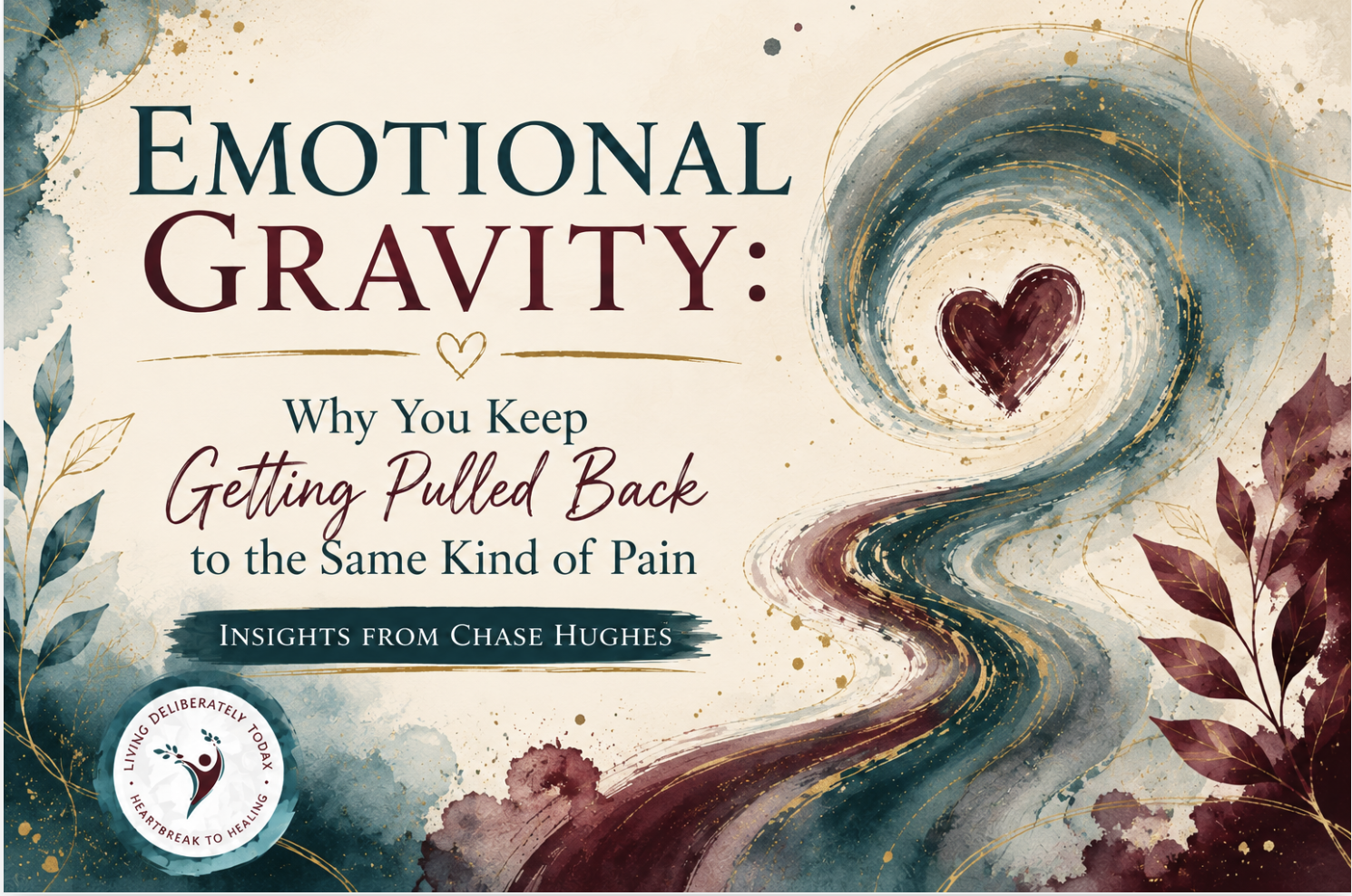
Emotional Gravity: Why You Keep Getting Pulled Back to the Same Kind of Pain
Behavioral expert Chase Hughes calls it emotional gravity: the reason you keep getting pulled toward the same kind of pain. It's not your intuition. It's your nervous system mistaking familiar for safe. Read the full breakdown.
read more
5 Red Flags Your Ex Showed You That Should Make You Glad You Walked Away
Missing your ex and wondering if you made the right call? These 5 red flags are a reminder of what was actually there, and why walking away was the right thing, even when it doesn't feel like it yet.
read more