
When Empathy Kills Your Self-Trust: Stop Excusing Bad Behavior Because You Understand His Trauma
There's a specific kind of woman who ends up in my world. She's warm. She's emotionally intelligent. She's the kind of person who genuinely tries to understand the people she loves, where they came from, what they've been through, why they are the way they are.
She's also the woman who stayed way too long. Who kept giving chances that weren't earned. Who talked herself out of her own gut feeling more times than she can count, because she understood why he was the way he was, and that understanding felt like a reason to keep trying.
She's not naive. She's empathetic. And somewhere along the way, her empathy became the very thing that kept her stuck in relationships with people who didn't treat her well. That woman was also me.
This is one of the patterns I see most consistently in the women I work with after heartbreak. And it's one of the most important things to understand before you start dating again, or if you're currently in a relationship and something feels off but you can't quite justify leaving because you get it, you understand him, you know where it comes from. Understanding someone is not the same as accepting how they treat you. Those are two completely different things. And confusing them is costing you your self-trust.
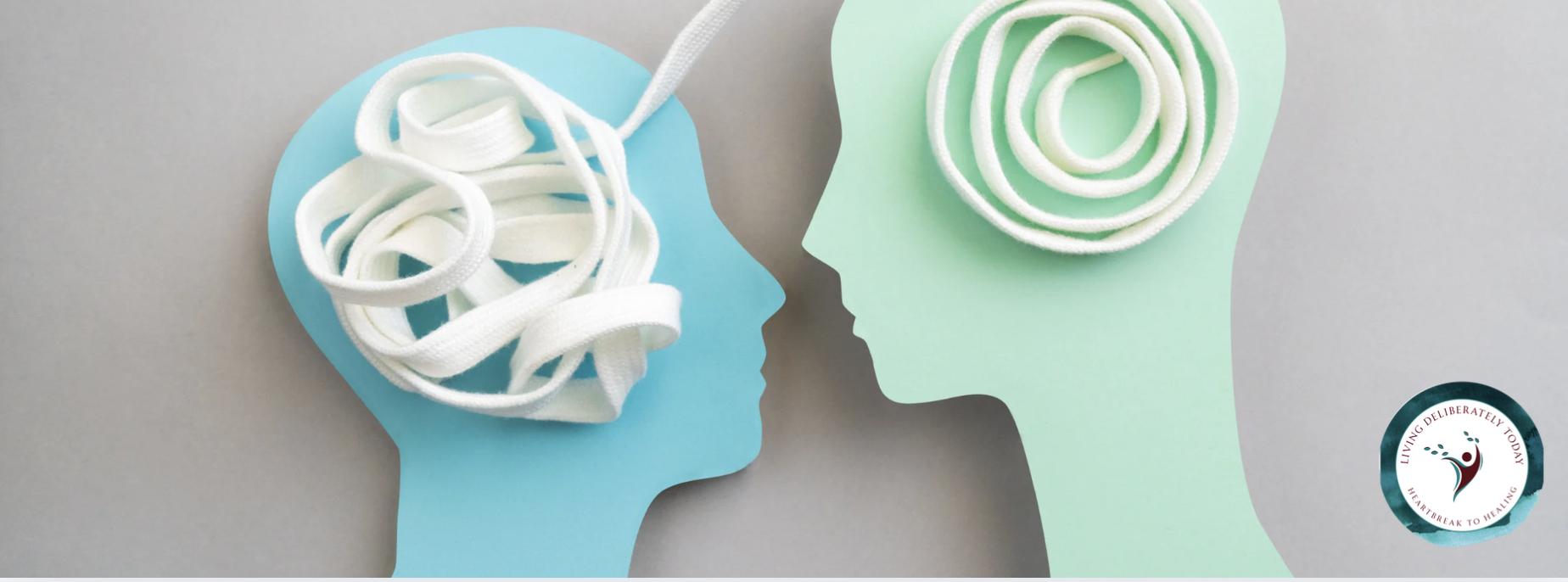
What Empathy Is Supposed to Do
Empathy is one of the most beautiful things about being human. The ability to genuinely feel into someone else's experience, to understand their pain, to hold space for where they come from. In relationships, it's what allows real intimacy. Real closeness. The kind of connection where someone feels truly seen.
And in healthy relationships, empathy is reciprocal. You understand him. He understands you. His past informs how you see him, and your compassion makes space for his growth. You extend grace when he's struggling. He does the same for you. That's empathy working the way it's supposed to.
But there's another version of empathy that a lot of emotionally intelligent women fall into. One that runs in one direction only. Where she's doing all the understanding, all the excusing, all the contextualizing. Where his past trauma explains everything and her hurt feelings explain nothing. Where she's so busy holding space for who he is that there's no space left for who she is and what she actually needs.
That's not empathy anymore. That's self-abandonment that looks like compassion.
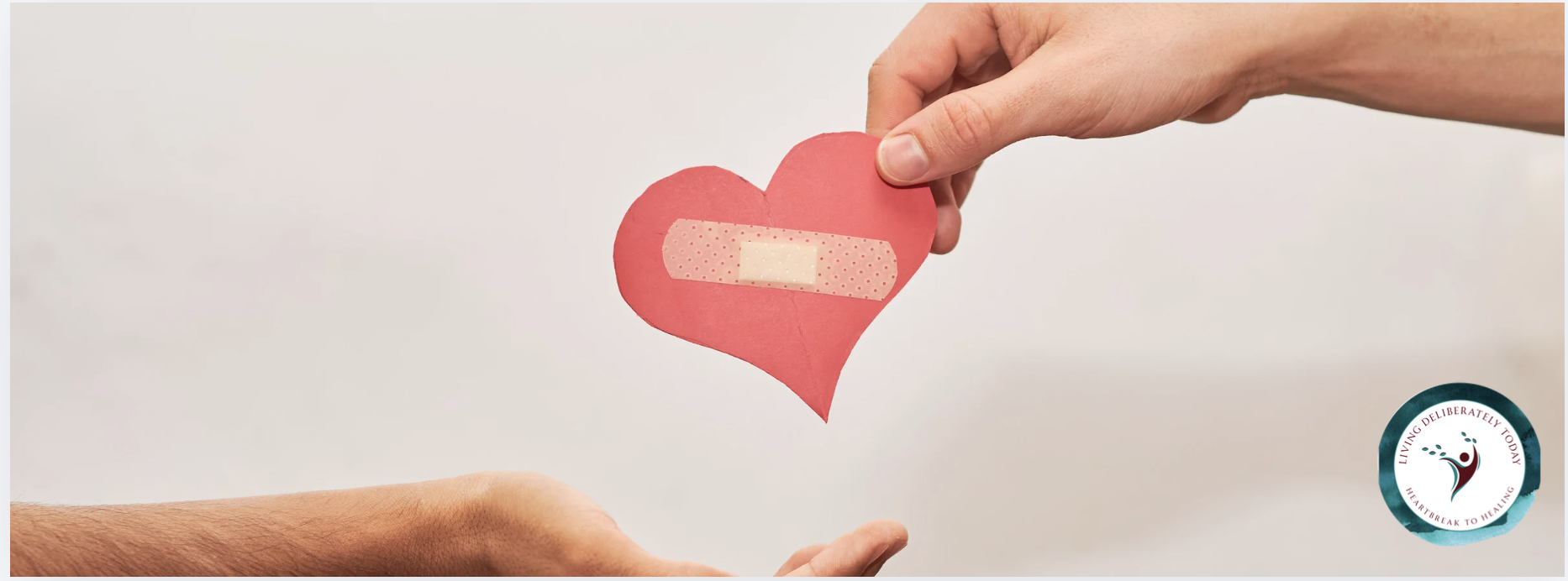
How It Starts
It usually starts innocuously. Early in a relationship or early in dating, she notices something. He cancels plans last minute. He goes cold after a few really good days. He says something dismissive when she tries to share something vulnerable and gets offended when she tries to express her concerns. He pulls away right when things start to feel close. It doesn't feel great. Her gut registers it. Something tightens.
And then she learns something about his past. His childhood was hard. His last relationship was damaging. He's been betrayed before. He has attachment wounds he's working through. And suddenly, the thing that didn't feel great has an explanation. And the explanation feels like a reason to override what her gut just told her.
She thinks: he's not doing this to hurt me. He's just triggered. He's scared. He doesn't know how to do this yet. If I can be patient enough, safe enough, understanding enough, he'll get there. I can be the person who doesn't give up on him. I wonder why he did that? I know his mom used to act a certain way and it's coming out now. And so she stays. She adjusts. She makes herself smaller, softer, more accommodating. She stops bringing up the things that hurt her because she doesn't want to add to his load. She monitors herself, manages herself, edits herself, to protect him from having to deal with her feelings on top of his own.
She thinks she's being loving. And part of her is. But she's also slowly training herself to stop trusting herself. Every time she feels something and then talks herself out of it with his story, she's telling herself that her experience matters less than his explanation. She does it once, twice, ten times, fifty times. And eventually, she doesn't know what she actually feels anymore. She's lost the thread back to herself.

The Moment Self-Trust Dies
Self-trust doesn't disappear in one dramatic moment. It erodes gradually, quietly, one override at a time. It erodes the first time she says 'I felt hurt by that' and he explains why she shouldn't have, and she agrees with him. It erodes when she notices a pattern that concerns her but tells herself she's being too sensitive. It erodes when she wants to bring something up and stops herself because she already knows how the conversation will go, with her ending up comforting him about why he is the way he is, while her original hurt gets completely forgotten.
And here's the thing about self-trust once it's been eroded over time. It doesn't just affect how she is in this relationship. It affects how she is in the next one too. She becomes a woman who second-guesses herself constantly. Who can't tell the difference between a genuine red flag and her own anxiety. Who doesn't know whether to trust what she's feeling or dismiss it as a pattern from her past. Who's so used to overriding herself that she doesn't know what her gut is actually saying anymore.
This is one of the most painful things I see in women who come to me after heartbreak. Not just the grief of the relationship. But the grief of themselves. The loss of the clear-eyed, self-trusting woman they were before they spent years learning to ignore themselves in the name of understanding someone else.

Understanding His Trauma Doesn't Mean Accepting the Impact
Here's the thing I want to say directly, because it's the part that gets lost in the empathy spiral. You can understand exactly where someone's behavior comes from and still refuse to be on the receiving end of it. Both of those things can be true at the same time.
You can have genuine compassion for his attachment wounds and also say, clearly and without guilt, that the way he pulls away leaves you feeling anxious and unseen and that's not something you're willing to keep living with. You can understand that his last relationship damaged his ability to trust and also know that his inability to trust is affecting your relationship in ways that aren't sustainable for you. You can hold space for his past while also being honest about what his present behavior is doing to you. Understanding the why behind someone's behavior is information. It's useful. It can help you respond with more patience and less reactivity in individual moments. But it's not a lifetime pass. And it's not a reason to stay silent about your own experience.
His trauma explains him. But it doesn't get to define your life or be used as an excuse to hurt you.
What It Looks Like to Date With Your Empathy AND Your Self-Trust
This is the part nobody talks about enough. Because the goal isn't to become less empathetic. Your capacity to understand and feel deeply is something worth keeping. The goal is to stop letting it run without your self-trust alongside it. Dating with both means she notices something that doesn't feel right, and she lets herself notice it. She doesn't immediately reach for an explanation that makes it okay. She sits with the feeling first. She asks herself: regardless of why he does this, is this something I can live with? Is this something that's working for me?
It means she can hear his story and feel genuine compassion for it and still hold her own experience with equal weight. His past matters. Her present experience matters too. Both things are real. It means she stops measuring her needs against his pain. Saying 'I need more consistency' doesn't mean she doesn't understand that consistency is hard for him. Those two things can coexist. She can want something and understand why he struggles to give it and still decide whether the gap between what she needs and what he's able to offer is something she's willing to live with long-term.
It means she gets to have limits. Real ones. Limits that don't require her to justify them against his trauma history. Limits that exist simply because she knows what she needs to feel okay in a relationship. And if something consistently crosses those limits, regardless of the reason, she's allowed to take that seriously.
And it means she listens to her gut. Not as the only voice, but as a voice that deserves a seat at the table. Because her gut is her self-trust speaking. And it's been trying to tell her things for a long time.

After a Breakup, This Pattern Needs to Be Looked At
If you're coming out of a relationship where you did a lot of this, where you understood so much and excused so much and made yourself so small in the name of being compassionate, the heartbreak is going to feel complicated. Because alongside the grief, there's often a deep confusion about yourself.
She might feel angry at herself for staying as long as she did. Or she might still be defending him, still explaining his behavior to people who are clearly frustrated on her behalf, still finding it hard to just let herself be hurt without contextualizing it. She might also find that she can't trust her own read on things anymore. That she doesn't know whether the new person she's talking to is genuinely good or whether she's just convincing herself again. That she can feel something and immediately distrust the feeling. That loss of self-trust is one of the most important things to rebuild before moving into a new relationship. And it doesn't rebuild through deciding to be less empathetic or more guarded. It rebuilds through learning to hold both things at once again. To understand and to feel. To have compassion and to have limits. To care about someone and to care about herself with equal commitment.
EFT tapping is one of the most effective tools I know for this specific work. Because the over-empathy pattern, the self-abandonment underneath it, the loss of trust in her own feelings, all of it has an emotional charge underneath it. A deeply held belief that her needs matter less. That love requires her to disappear a little. That being too much is a danger. Tapping works directly on that charge. It releases the belief at the level where it's actually stored, which is not in her thoughts but in her body, in her felt sense of what it means to be loved.
When that charge releases, something shifts. She starts to feel her own feelings without immediately explaining them away. She starts to trust that what she notices is worth paying attention to. She starts to take up space in her own relationships without the guilt that used to follow.
Your Empathy Is a Gift. Keep It. And Keep Yourself Too.
You don't have to choose between being a deeply empathetic person and being someone who trusts herself. Those things aren't opposites. The most grounded, healthy relationships I've seen are built by women who brought both. Who could love someone fully and still know exactly what they needed. Who could understand someone's pain and still be honest about their own.
That's the version of you worth building toward. Not the version who's less feeling, less compassionate, less open. The version who's just as warm and twice as rooted in herself.
If you're in the middle of heartbreak right now, or if you're newly dating again and already noticing the old patterns starting to surface, this is exactly the work I do in Heartbreak to Healing. Three days, live together in June, working through EFT tapping and structured emotional healing. We're going to look at what's underneath the patterns. The beliefs that made self-abandonment feel like love. The emotional charge that kept you quiet when you should have spoken. And we're going to start releasing it.
Dates: June 9, 10, and 11
Time: 1:00 PM Central European Summer Time / 12:00 Noon UK
Register here: https://events.dreahunt.com/heartbreak-workshop-june-2026
Come as you are. We'll work from there.
RESOURCES: 💛 Free EFT Tapping Heartbreak Guide: https://bit.ly/4bgRDcT
Get my book on Amazon Kindle: From Heartache to Healing: How EFT Tapping Can Mend a Broken Heart:
Get my Free Guide 10 Ways you know you’re ready to travel after a breakup: https://ebooks.dreahunt.com/anxiety-stress-book-211006
📞 Book a Discovery Call (Travel Coaching After a Breakup or EFT for Confidence): https://bit.ly/4g4cIrD
CONNECT WITH ME: 🌐 Website: www.dreahunt.com 📱 Instagram: @living.deliberately.today
📘 Facebook: https://www.facebook.com/livingdeliberatelytoday
SUBSCRIBE for more videos on breakup recovery, self worth, EFT tapping, confidence building, and solo travel!
#EFTTapping #BreakupRecovery #SoloTravel #ConfidenceRebuild #breakupsupport #tapping #emotionalfreedomtechnique
More like this...
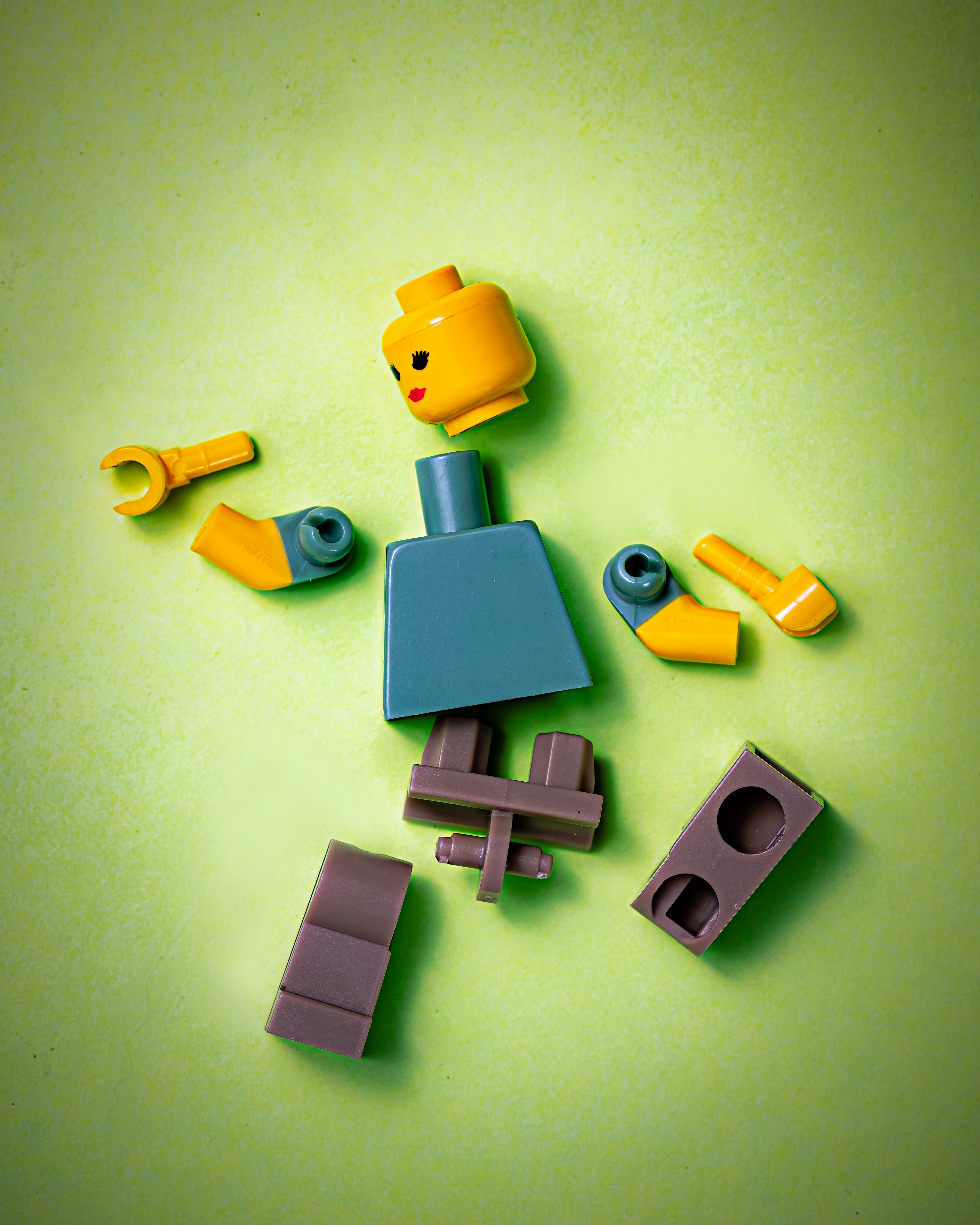


7 Things That Happen When You Don't Heal From Your Breakup
What actually happens when you skip the real work after a breakup: old attachment wounds, low self-worth, patterns that follow you into the next relationship, and why EFT is the tool that actually moves it.
read more
Emotional Gravity: Why You Keep Getting Pulled Back to the Same Kind of Pain
Behavioral expert Chase Hughes calls it emotional gravity: the reason you keep getting pulled toward the same kind of pain. It's not your intuition. It's your nervous system mistaking familiar for safe. Read the full breakdown.
read more
5 Red Flags Your Ex Showed You That Should Make You Glad You Walked Away
Missing your ex and wondering if you made the right call? These 5 red flags are a reminder of what was actually there, and why walking away was the right thing, even when it doesn't feel like it yet.
read more