
The 6 Core Wounds Driving Your Relationship Patterns (And How to Heal Them with Tapping)
When you’re out of a breakup and feeling horrible, it’s normal to question everything. How did I not see the red flags? How did this happen again? Who were they really? I can’t believe they did that to me.
“One of the most courageous decisions you’ll ever make is to finally let go of what is hurting your heart and soul.” Brigitte Nicole
And in order to let go of the pain and heal through it, we need to take a closer look. Our wounds unfortunately affect how we think, how we feel, and how we behave. Not only that, but they set the stage for how we perceive things, and how we think others perceive us.
Now, here’s something I want you to sit with for a second. The things about yourself that feel like personality traits, the need to achieve, the need to be liked, the need to have the answer, the need to be in control, are strategies you built a long time ago, usually in childhood, to survive something that felt unsafe at the time. They made complete sense then. The problem is most of us are still relying on them decades later, in relationships where they’re no longer protecting us, they’re just quietly navigating our feelings and responses in the background.
There are six core needs that tend to show up over and over in this kind of pattern work: significance, approval, acceptance, intelligence, pity, and power. Each one traces back to a specific kind of wound, and each one shows up in a very recognizable way in how you date, how you attach, and especially in how you fall apart after a breakup.
I want to walk through all six, and then talk about why understanding them intellectually only gets you partway there, and what actually releases them...

#1 Significance: "I Need to Matter"
This one sounds innocent enough and I want to say that there is nothing wrong with wanting to matter. It's not that simple. But when this need is excessive, it can lead to behaviors of not feeling good enough, massive imposter syndrome even when you're extremely talented. Even when you reach the goal you move the goal posts to get even more validation that you're worthy.
It comes from a wound around invisibility. Somewhere along the way, you felt ordinary, overlooked, unimportant, maybe compared to a sibling, maybe just genuinely unseen by people who were too busy or too checked out to notice you. And the adult version of that wound chases the opposite of invisible. Achievement. Status. Being the most interesting person in a room. In a relationship, it can look like needing to be someone's entire world, needing to feel irreplaceable, needing constant proof that you register as significant to the person you love.
“Everybody has goals and desires that are different, but we have the same needs.” – Tony Robbins
"Let’s talk about one of the most sought-after human needs: The need for significance. There’s not a person alive on the planet who doesn’t want to feel important or needed. Why is feeling special such a compelling force? Why does feeling insignificant make us feel so devastated? Once you understand why you’re driven to feel significant to those around you, you can better interpret your own actions and use this desire to help you work toward your goals," Tony Robbins.
After a breakup, this wound gets hit especially hard, because being left can feel like the ultimate confirmation of the original fear. If I truly mattered, they wouldn't have been able to walk away. That logic isn't accurate, but it's exactly the kind of thing this wound whispers at 2 am.

#2 Approval: "I Need Others to Validate Me"
This one is easy to hide, because on the outside it looks like being thoughtful, easygoing, and nice to be around. It traces back to love that felt conditional. Maybe somewhere early on, affection or safety seemed to depend on pleasing someone. Being good. Being easy. Not causing problems. Maybe you noticed that when you kept the peace, things felt warm, and when you didn’t, things got tense or cold. Kids pick up on that fast, and they adjust.
That adjustment doesn’t disappear when you grow up. It gets more sophisticated. It can look like tracking someone’s mood before they’ve said a word, or reading the tone of a text and feeling your stomach drop. You soften what you say, laugh at things that aren’t funny, and say “whatever you want is fine” when you do have a preference. Underneath all of it is a need for someone else to confirm you’re doing okay, because you never fully got to learn how to trust your own read on that. If you’re always checking the other person’s face for the verdict, you don’t get much practice building your own.
Does any of that sound familiar? I ask because people-pleasing gets rewarded constantly. Nobody complains when you’re the accommodating one, so it can go for years without anyone, including you, noticing what it costs.
After a breakup, this wound tends to get loud. Maybe you find yourself going back through conversations, looking for what you did wrong, as if finding the mistake would let you undo it. There’s a logic to it: if I was the problem, I can fix it, and if I can fix it, I can get them back and feel okay again. Your mind is looking for control through understanding. But a breakup rarely comes down to one mistake you can locate and correct, so the search can keep you circling for months.
It can also push you into dating again too soon. Someone new gives you attention, and it feels like the hit of validation your system has been craving since the breakup took it away. Being chosen again can feel like proof that you’re okay, so of course it feels good. I’d gently ask yourself who you’re really drawn to in that moment: this person, or the relief of being approved of again?

#3 Acceptance: "I Need to Belong"
This wound comes from a very specific kind of pain. Maybe you felt rejected, different, or emotionally unsafe in a group when you were younger, whether that was your family, your friends, a classroom, or somewhere else entirely. Maybe you learned that certain parts of you went over better when you kept them quiet. Kids notice who gets welcomed and who gets left on the edges, and they draw conclusions about which category they belong in.
As an adult, that tends to turn into hypervigilance around exclusion. You might scan a room the second you walk in, noticing who looked up, who smiled, who kept talking. A text that gets answered slower than usual can feel like a verdict. A group chat that goes quiet can send your mind straight to what you did wrong. You may also shape-shift a little depending on who’s in front of you, one version with your coworkers, another with your friends, another with a partner, because belonging has always felt like something you earn by being the right version for that particular audience. Do you ever leave a dinner and replay how you came across, or whether you said the wrong thing? That replay is this wound doing its job, trying to keep you safe from being left out again.
Inside a relationship, this can look like holding back an opinion to avoid rocking the boat, going along with plans you didn’t want, or reading a partner’s tired, quiet evening as a sign they’re pulling away from you. Over time, you can end up feeling well liked by everyone and truly known by almost no one, which is a lonely place to be, especially with someone you love.
After a breakup, the ending itself can feel like proof you were never really accepted in the first place. Maybe your mind tells you the whole relationship was you performing belonging rather than genuinely having it, or that they finally saw the real you and walked away. Then comes the practical fallout: mutual friends who go quiet, a shared social circle that quietly rearranges itself, invitations that stop. With this wound, that can hurt as much as losing the person, because it lands on the exact spot that was already sore.
That’s a heavy thing to carry, and it’s usually not actually true, but the wound doesn’t know that yet.

#4 Intelligence: "I Need to Be Seen as Smart or Competent"
This one comes from a history where being wrong, or not knowing something, was met with real shame or harsh criticism. Maybe a parent corrected you in front of other people. Maybe a teacher made an example out of a wrong answer, or your home went cold whenever you got something wrong. Kids figure out fast what protects them from that sting, and for some of us the answer was simple: know things. Be the one with the answer. Competence became armor.
As an adult, that armor can look pretty impressive from the outside. You might be the capable one, the researcher, the friend people call when they need someone to think something through. You may rely heavily on logic, prepare for conversations ahead of time, and feel a flash of discomfort when someone asks a question you can’t answer on the spot. And when feelings come up, you might do what you do best and think them through. Analyze them, name them, trace where they came from. Sitting inside a feeling without understanding it first can feel unsafe, because not-knowing has always carried a cost. Do you ever catch yourself explaining a feeling to someone before you’ve actually felt it? I get why. It’s a very smart way to stay protected.
In a relationship, this can look like needing to win the argument, or finding it hard to say “I don’t know” or “I was wrong.” Maybe when a partner shares something emotional, you jump straight to solutions, or ask for a logical explanation of why they feel the way they do. Vulnerability puts you in a spot where you don’t have the answer, and that’s the exact spot this wound works hard to avoid. Over time, a partner can feel like they get plenty of your insight and very little of your uncertainty, and closeness often grows in the uncertain parts.
After a breakup, this wound shows up as endless analysis. Maybe you’ve been building timelines, rereading old messages, and hunting for the precise moment things went wrong, as if enough understanding will finally let you feel better. There’s a logic to it. If you can figure it out, you can feel in control of it, and if you feel in control, maybe the pain will ease up. The catch is that grief tends to move when it gets felt, and no timeline, however detailed, can do that part for you. This wound makes feeling something before you understand it seem unbearable, so you can end up months in with a very thorough analysis and the ache still sitting right where it started.

Pity: "I Need Others to Feel Bad for Me"
This wound is a quieter one, and it can be harder to spot in yourself. It tends to come from learning early on that struggling was the most dependable way to get care. Maybe when you were fine, life carried on around you and nobody looked up. And when you were hurting, someone finally showed up with attention, softness, and time. Kids are great at noticing what works. If pain was what brought people close, some part of you filed that away for later.
As an adult, that can turn into leading with what’s hard. Maybe you open conversations with what went wrong this week. Maybe you find it easier to share a struggle than a win, because struggle has always felt like the doorway into closeness. Do you ever notice you feel most connected to people when you’re going through something? A very old part of you is doing what once worked, trying to get a need met in the only way it learned how.
In a relationship, this might look like feeling most cared for when you’re sick, stressed, or in crisis, and a little invisible when life is calm. Maybe you bring up the hurt before the happy thing. Maybe a partner says “you seem so much better lately” and you feel a flicker of panic, because better could mean less attention. Over time, a partner can slide into the caretaker role without either of you choosing it, and that can wear on both of you.
After a breakup, this wound can complicate healing, and I want to say that gently. If suffering has been your most reliable route to care, getting better can feel risky. Think about how the first few weeks usually go. Friends bring dinner, texts pour in, people check on you constantly. Then life moves on for everyone else, the messages thin out, and that drop-off can feel like being abandoned all over again. So maybe some part of you holds onto the pain a little longer, because okay has meant becoming invisible before. You might not even be aware of it.
This makes sense given what you learned, and it’s worth being honest with yourself about, because once you can see it, you get to explore other ways of being cared for. Asking a friend for coffee on a good day. Letting someone celebrate you. Receiving support while you’re doing well.

Power: “I Need to Control Everything & Everyone”
This wound comes from a history where being small, dependent, or helpless felt truly dangerous. Maybe you grew up around someone whose moods or decisions could change your whole day, and you had no say in any of it. Maybe the adults around you were unpredictable, or needing someone usually meant being let down. Kids in that spot reach a very logical conclusion: if I can control what happens, nothing bad can happen to me.
As an adult, that conclusion can turn into a deep need to manage things. Decisions, outcomes, plans, the pace of a relationship, how a conversation goes. You might be the one who books everything, who has a backup plan for the backup plan, who feels a tightness in your chest when someone else takes the wheel or changes the plan last minute. Maybe someone has called you intense or bossy, and some part of you knows that when things feel uncertain, your body reads it as a threat and reaches for the steering wheel before you’ve even decided to. Do you ever notice yourself relaxing when you’re in charge and tensing up when you’re not?
Vulnerability is where this gets hard. I mean the real kind, where you don’t know what’s going to happen next and you have to trust someone with the outcome. That kind of openness can feel closely tied to real danger, because for a long time it may have been. So in a relationship, this might look like needing to know where things are going before you’ve let yourself feel anything, controlling how fast it moves, finding it hard to ask for help, or pulling back the moment someone gets close. Maybe you’ve noticed you’d rather be the one who leaves than the one who gets left. A partner can feel that, and sometimes they push harder or go quiet, which can feed the exact fear you were trying to avoid.
After a breakup, this wound often experiences the loss of control as the main injury, sometimes even more than the loss of the person. Someone else made a decision about your life without your input. For a wound built around helplessness feeling dangerous, that can land like the original threat all over again. So anger might show up first, ahead of any sadness. Maybe you feel an urgent need to control the narrative, to tell your side before they tell theirs, to decide who knows what, to be the one who went no contact first. Maybe you catch yourself trying to plan your healing down to the week, and getting frustrated when the sadness won’t follow your schedule. When control is what kept you safe, all of that makes sense.
If any of this sounds familiar, it makes sense given what you learned about staying safe. Once you can see it, you get to try small experiments with loosening your grip. Letting someone else pick the restaurant. Asking for help with something small. Noticing that you can not know how something turns out and still be okay.

How Do These Wounds Show Up in Your Relationships and After a Breakup?
And the thing is, these six wounds rarely show up one at a time. Most of us carry one main wound and a couple of backups, and they take turns depending on what’s going on in our lives. Maybe you saw yourself in Approval and also a little in Power. That’s really common, and it can explain why you sometimes feel pulled in two directions at once. One part of you wants everyone happy and comfortable, and another part wants to control how things turn out.
In a relationship, these wounds tend to come out in the everyday moments more than the big ones. How you handle a disagreement. Whether you say what you actually want for dinner. What happens in your body when a text goes unanswered for a few hours. Whether you can tell your partner you’re hurt, or you go quiet and deal with it alone. Maybe you’ve noticed that a small moment can set off a surprisingly big reaction. That’s often a sign an old wound got touched.
“Poisonous relationships can alter our perception. You can spend many years thinking you're worthless. But you are not worthless. You're underappreciated.” — Steve Maraboli
Your partner has their own wounds too, and the two sets meet somewhere in the middle. Maybe one of you needs reassurance while the other pulls away to feel safe. Maybe one of you needs to feel irreplaceable while the other keeps adjusting to provide that feeling. Nobody did this on purpose. Two sets of old survival strategies are doing what they learned to do, usually without either person seeing what’s underneath the argument about who forgot to call.
Then a breakup happens, and it can hit several wounds at once. Significance hears that you didn’t matter enough. Approval goes searching for what you did wrong. Acceptance wonders if you were ever truly welcome. Intelligence builds the timeline. Pity looks for people who will feel bad for you. Power reacts to a decision made without your input. Have you had days where all six seemed to take a turn? That could be a big reason a breakup can feel so much heavier than the relationship itself seems to explain, especially a short one. Maybe you’re grieving this person and feeling some of your oldest hurts all over again, all at the same time.
So as you move through the rest of this article, it can help to ask yourself which wound got the biggest reaction from you while you were reading. Which one made your stomach drop a little? That’s usually a good place to start.

Why Recognizing Your Wound Isn't the Same as Healing It
So, here’s the part that matters most, and most articles like this one skip it. You’ve just read through six wounds, and maybe you already have a sense of which one, or which two, keep showing up in your relationships. That’s useful information. Seeing the pattern is a real step, and it can bring a lot of relief and compassion for yourself.
Have you also noticed that knowing doesn’t always change what happens next? You can understand exactly why you need control, why you chase significance, or why you need people to feel bad for you before your feelings seem to count, and still feel the same pull the next time something sets it off. Your partner goes quiet, a text sits unanswered, and there you are doing the old thing again, while some part of you watches and thinks, I know better than this.
“In the process of letting go you will lose many things from the past, but you will find yourself.” — Deepak Chopra
So why does that happen? These wounds grew out of emotional experiences, and emotions touch both your mind and your body. When an old hurt gets triggered, maybe you feel it in your chest, your stomach, your breathing, and in the thoughts that start spinning, all at once. Insight speaks to the thinking part. The emotional charge that attached itself to the wound a long time ago is still there after you’ve figured it all out, and it needs something that can reach it directly.
Do you ever feel like you’ve done all the thinking, all the journaling, all the talking it through, and the ache is still sitting right where it started? If so, that could be a sign you’re ready for a different kind of tool, one that works with the feeling itself. That’s where EFT tapping comes in, and it’s what we’ll look at next.

How EFT Tapping Works With These Core Wounds
This is where EFT tapping comes in. EFT, Emotional Freedom Techniques, works with the emotional charge sitting underneath each of these wounds. Every wound we just walked through comes with a belief attached to it, and every belief has a feeling locked in around it from a long time ago. Tapping lets you work with that feeling directly, in the moment it’s active. Understanding your pattern has a hard time reaching that part.
Here’s what it looks like in practice. You pick the belief that feels true when your wound gets triggered, and you say it out loud, honestly, in words that sound like your own inner voice. While you say it, you tap on specific acupressure points on your face and upper body. Rate how intense it feels from zero to ten before you start and again after a round or two. The tapping sends a calming signal to your nervous system at the same moment the old fear is switched on. Your body gets to hold the memory and feel safe at once, and over time the belief loses some of its grip on you.
Maybe you’re wondering what those beliefs sound like. For Significance, it might be “I don’t matter unless I’m exceptional.” For Approval, “I’m only safe when everyone is happy with me.” For Acceptance, “I don’t belong unless I’m the right version of me.” For Intelligence, “It isn’t safe to be wrong.” For Pity, “My feelings only count when someone feels bad for me.” For Power, “I’m not safe unless I’m in control.” If one of those made your chest tighten a little, that’s useful information about where to start.
It’s also common for layers to come up as you tap. You might begin with one sentence, and then a memory shows up, maybe a specific moment from childhood, a room, a face, a tone of voice. When that happens, you keep tapping and let it move through. That memory is often where the wound first formed, and the charge around it can come down in a way that thinking about it never managed. If a memory feels really heavy, working with a trained practitioner is a good idea, because you deserve support with that kind of material.
Over a few rounds, a lot of people notice three things. The anxiety and physical tension settle first, so the tight chest or the racing thoughts ease. Then the emotional charge itself softens, the hurt, the fear, the shame that was attached to the belief. And after that, the belief starts to shift. Once the old fear has less hold on you, a different belief has room to show up. Maybe something like “I matter as I am,” or “My feelings count even when nobody feels bad for me,” or “I can feel safe without controlling everything.” You don’t have to force those. They tend to arrive when the old charge has cleared out of the way.
Journaling about your wound or talking it through with a friend both do real work, and they tend to stay at the level of understanding. EFT adds the piece that reaches the feeling itself, which is the part that kept pulling you back into the same pattern even after you knew better.

This Is Deeper Work, and It's Worth Doing
If you read through this and saw yourself clearly in one or two of these wounds, that counts for a lot. Plenty of people spend years repeating the same pattern without ever finding out where it started. Maybe a few things made more sense as you read. Maybe a certain relationship, or the way your last breakup hit you, suddenly had a reason behind it.
Seeing the wound gives you a starting point, and the next step is working with the feeling underneath it. That’s the part I get to do with women inside The Release, Rebuild & Rise Journey. We move through three phases: releasing the emotional pain of the breakup, rebuilding your trust in yourself, and rising into a life that fits who you are now. Along the way, you figure out which of these core wounds keep showing up in your relationships, and you use EFT tapping to release the charge attached to them, so the old pull has less say over who you choose and how you react.
Where would you like to start? If one of the six made your stomach drop a little while you read, that might be the one to work on first, and I’d love to help you with it.
Learn more and join here: https://snipr.is/YE1qhMn
More like this...
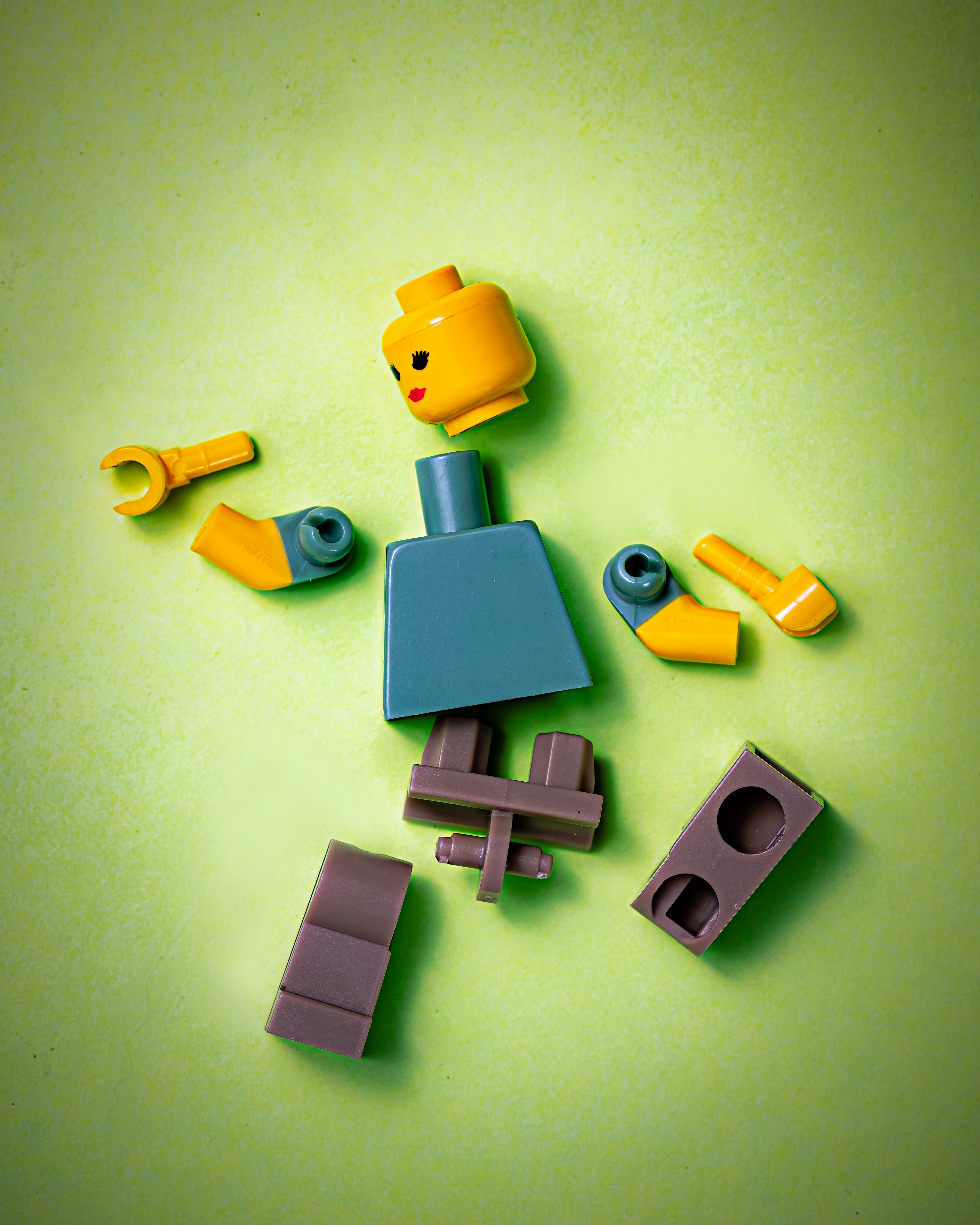


7 Things That Happen When You Don't Heal From Your Breakup
What actually happens when you skip the real work after a breakup: old attachment wounds, low self-worth, patterns that follow you into the next relationship, and why EFT is the tool that actually moves it.
read more
Emotional Gravity: Why You Keep Getting Pulled Back to the Same Kind of Pain
Behavioral expert Chase Hughes calls it emotional gravity: the reason you keep getting pulled toward the same kind of pain. It's not your intuition. It's your nervous system mistaking familiar for safe. Read the full breakdown.
read more
5 Red Flags Your Ex Showed You That Should Make You Glad You Walked Away
Missing your ex and wondering if you made the right call? These 5 red flags are a reminder of what was actually there, and why walking away was the right thing, even when it doesn't feel like it yet.
read more